From Dirt to Gold: Transforming Your Soil for Thriving Plants

Welcome to our blog, where we delve into the fascinating world of soil transformation. Whether you're a seasoned gardener or just starting, understanding the importance of healthy soil is crucial for cultivating thriving plants. In this article, we will explore various techniques and strategies to transform your soil from ordinary dirt into nutrient-rich gold. So grab your gardening gloves and let's dive in!


  1. The Basics of Soil Transformation: To lay a strong foundation for healthy plants, it's essential to understand the composition and structure of your soil. We'll discuss the different soil types, their characteristics, and how they impact plant growth. Additionally, we'll explore the significance of soil pH and how to test and adjust it for optimal plant health.

  2. Composting: Nature's Gold Mine: Composting is a powerful tool that can turn kitchen scraps, yard waste, and other organic matter into nutrient-rich soil amendments. We'll guide you through the process of starting and maintaining a compost pile, explaining the do's and don'ts to ensure successful decomposition. Learn how to use compost to enrich your soil, improve its structure, and promote the growth of beneficial microorganisms.

  3. Cover Crops: Building Soil Health: Discover the benefits of cover crops, also known as green manure, in rejuvenating tired or depleted soil. We'll discuss the different types of cover crops and their specific advantages. Find out how these plants can improve soil fertility, prevent erosion, suppress weeds, and even fix nitrogen naturally.

  4. Soil Amendments: Nurturing Your Garden's Soil: Sometimes, the soil needs a little extra boost to provide the ideal environment for plants. We'll explore various organic and inorganic soil amendments, such as aged manure, composted leaves, bone meal, and vermiculite. Learn how to choose the right amendments for your specific soil needs and discover the best methods for incorporating them effectively.

  5. Mulching: Protecting and Enriching Your Soil: Mulching is an excellent technique for conserving soil moisture, preventing weed growth, and enhancing soil fertility. We'll discuss the different types of mulch materials available and how to apply them correctly. Discover the benefits of mulching and how it contributes to the overall health of your garden.

  6. Microbial Life: Cultivating Soil Superheroes: Beneath the surface lies a thriving community of microorganisms that play a vital role in soil health. We'll explore the importance of beneficial bacteria and fungi in promoting nutrient cycling, disease suppression, and plant growth. Discover how to create a soil environment that fosters the growth of these essential soil superheroes.

Transforming your soil from ordinary dirt into nutrient-rich gold is a rewarding journey that will yield bountiful results in your garden. By implementing the techniques and strategies discussed in this blog, you'll create an environment that fosters thriving plant growth, increases yield, and promotes overall garden health. Remember, healthy soil is the foundation for a successful garden, and with a little effort and knowledge, you can turn your soil into a precious resource that nourishes your plants for years to come. Happy gardening!


North County Supply is the only shop you'll need for all of your landscape material needs!


We carry a wide variety of materials including mulch, playground chips, soil, and more!


Our knowledgeable staff is always happy to help you find what you need and answer any questions you may have.


Call us at 760-744-3444


North County Supply's Service Locations: San Diego, Escondido, San Marcos, Vista, Oceanside, Carlsbad, Chula Vista, El Cajon, Poway, Santee, Encinitas, Valley Center, La Mesa, Temecula, Murrieta, Coronado, Del Mar, Alpine, Lakeside, Fallbrook, Daley Ranch, Hidden Meadows, Menifee, Solana Beach, Carmel Valley, Ramona, Torrey Pines, Rancho Penasquitos.

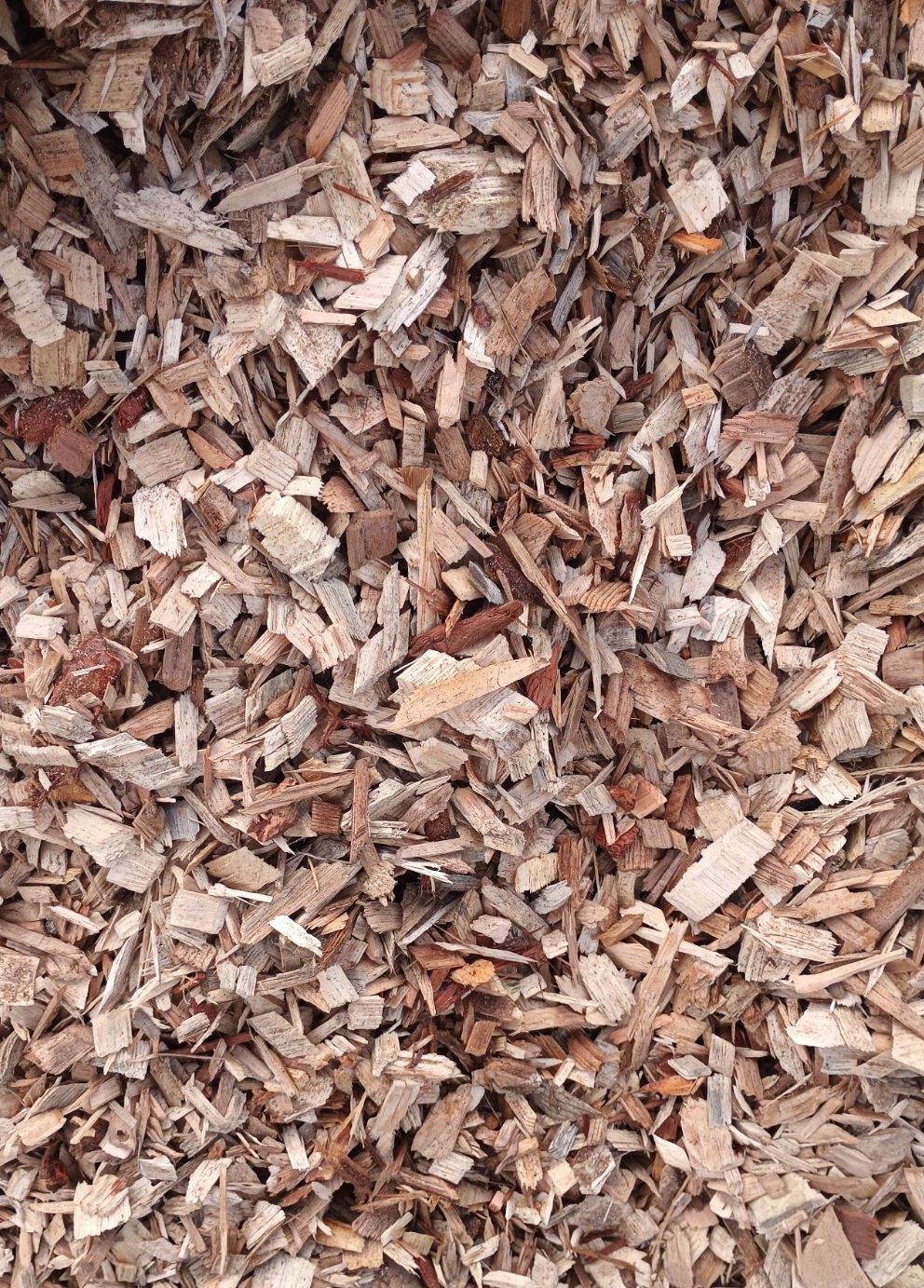
Close-up of brown wood chips mulch filling the frame
June 28, 2026
Learn how to calculate soil, mulch, gravel, and rock quantities for landscaping projects. Avoid costly ordering mistakes with this practical estimating guide.
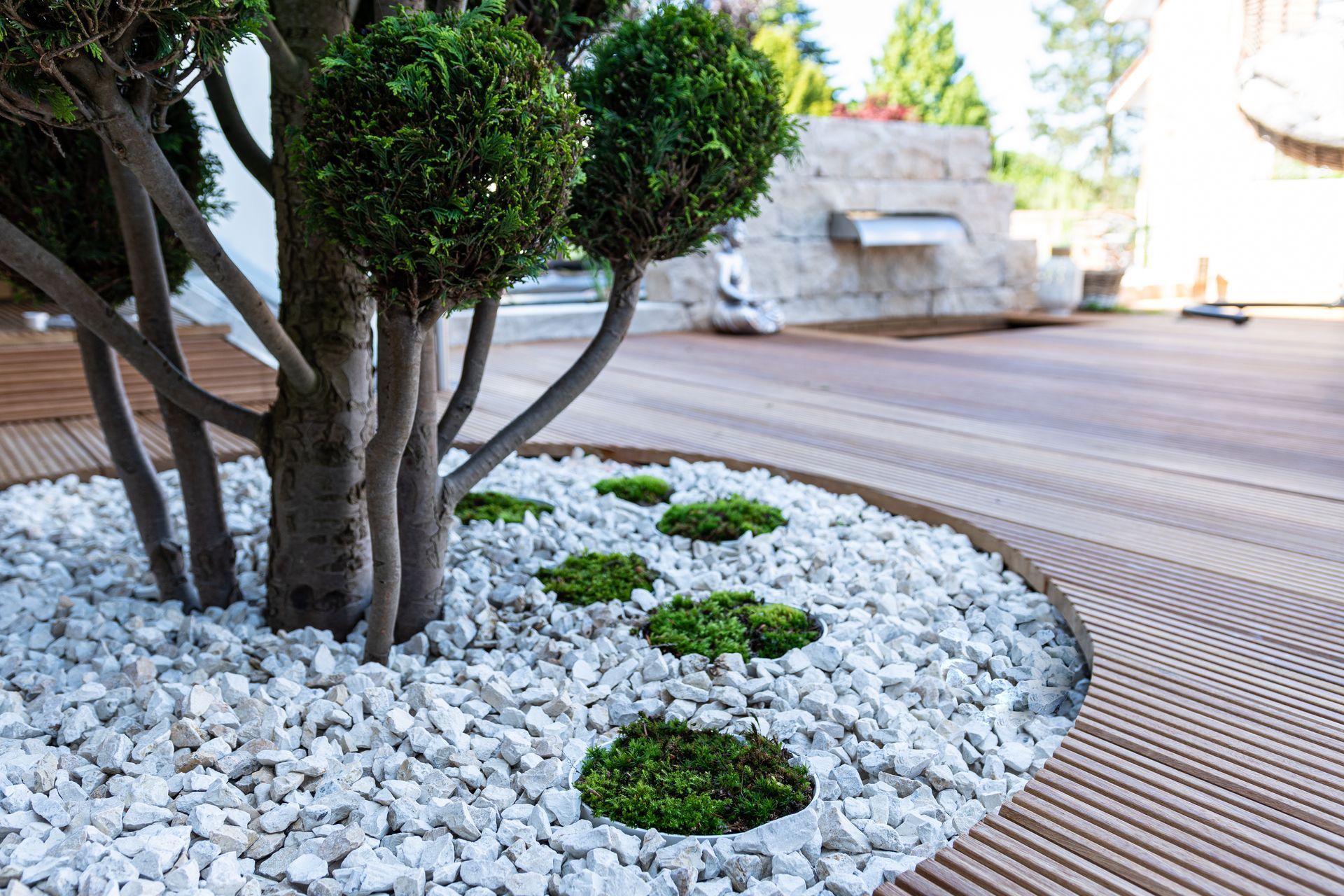
Landscape with trimmed trees, white gravel, and circular green shrubs beside a patterned walkway
May 31, 2026
Compare decorative rock and mulch for landscaping. Learn differences in cost, maintenance, appearance, and best uses for Southern California landscapes.
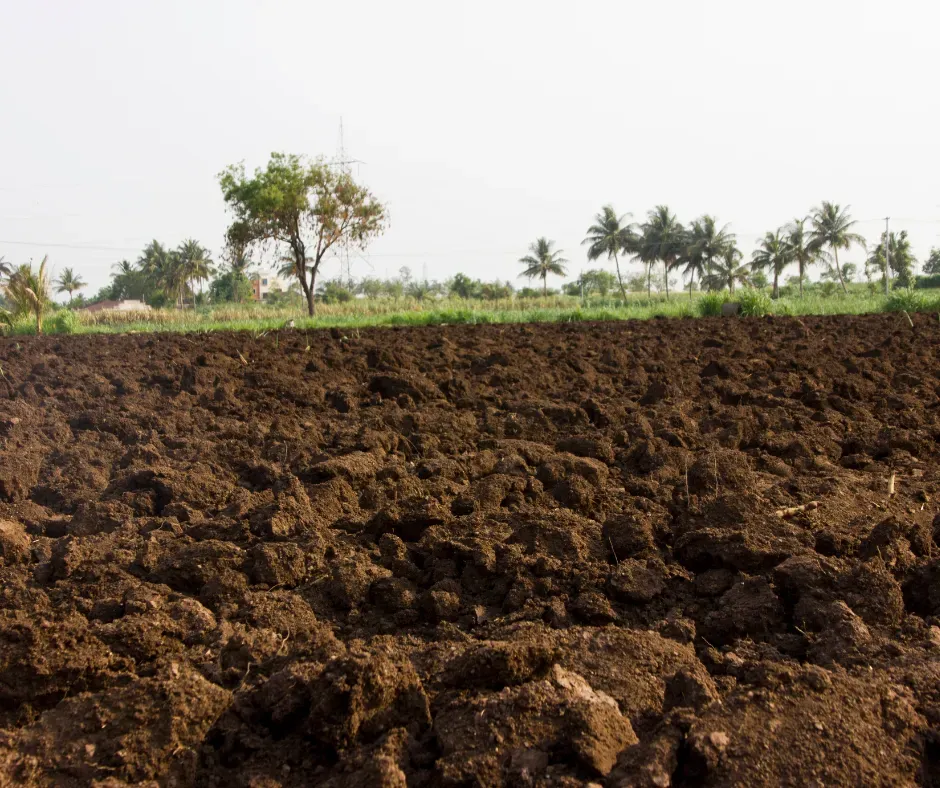
Freshly plowed dark soil in foreground with a line of green trees under a hazy sky
April 23, 2026
Get your landscape ready for spring with sustainable soil and mulch practices. Learn composting, soil testing, organic amendments, and water-saving tips.
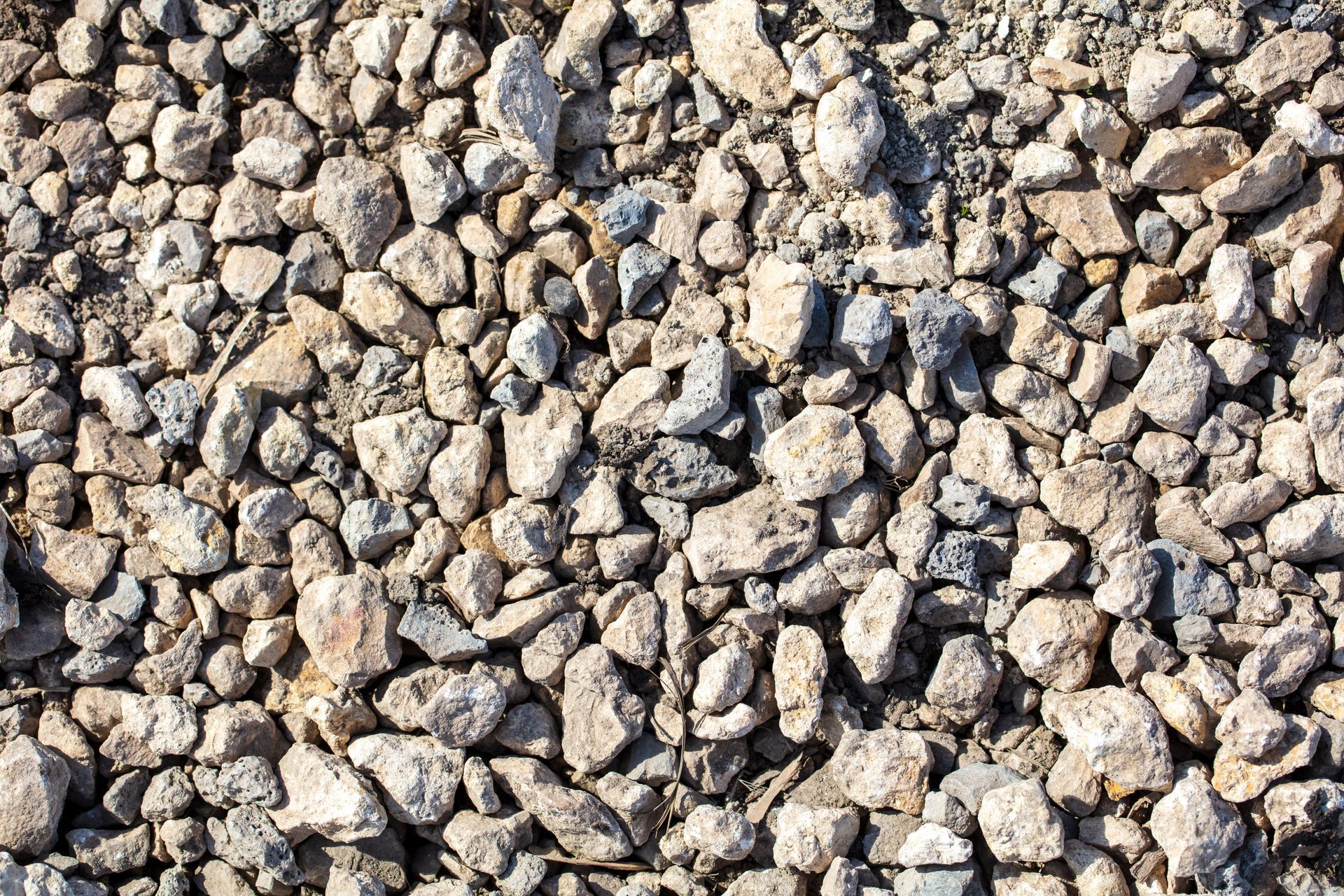
Gravel surface with various sized gray, beige, and brown rocks.
February 13, 2026
Discover landscape design ideas using aggregate and crushed rock for pathways, borders, and dry creek beds that offer durability and low maintenance.
Playground with a slide, climbing structure, and swing set, surrounded by grass and trees.
January 20, 2026
Learn what certified playground chips are, how ASTM safety standards protect against injuries, and why schools and parks rely on them for safe play areas.
Handful of wood mulch, held up against a brown background, showing its texture.
December 23, 2025
Prepare your landscape for winter with bark, aggregates, and accessories that protect plants, improve drainage, and maintain healthy soil all season long.
White pickup truck towing a dump trailer on dirt road, mountains in the background, sunny day.
November 21, 2025
Learn how to keep your San Diego construction site clean and compliant with the right dumpster and roll-off services for safe, efficient project management.
Person wearing orange gloves, spreading brown mulch around green plants from a red bucket.
October 28, 2025
Learn how different types of mulch — organic, colored, shredded, and playground chips — help control weeds, retain moisture, and improve your landscape’s health.
A small plant with green leaves in dark brown soil.
September 25, 2025
Choose the right soil for San Diego landscapes with North County Supply. Clean, custom blends and expert advice for gardens, turf, and large-scale projects.
June 9, 2025
Crushed rock is a durable, low-maintenance material widely used in San Diego landscapes for pathways, garden beds, driveways, and decorative features. While it requires less upkeep than many other materials, regular maintenance ensures that it stays clean, functional, and visually appealing. In this blog post, we’ll share practical tips for maintaining your crushed rock landscape and how to prevent or fix common issues like weed growth and erosion. Why Crushed Rock Needs Maintenance Although crushed rock does not decompose or require watering, it is still exposed to the elements. Over time, weeds can creep in, debris can accumulate, and loose rock can shift or settle. Routine care helps protect your investment and keeps your landscape looking polished. Tips for Keeping Crushed Rock Areas Clean and Attractive 1. Rake Regularly Use a hard-toothed rake to smooth out uneven areas, redistribute rock that may have shifted, and remove surface debris. Raking once every few weeks helps maintain a clean, even appearance. 2. Remove Debris and Organic Material Leaves, twigs, and other debris can build up and create a breeding ground for weeds. Explicit organic material regularly, especially during the fall or after storms, to keep the area tidy and reduce soil buildup. 3. Top Off Low Spots Over time, some rock may migrate or settle. Periodically inspect the area and add fresh crushed rock to maintain consistent depth and appearance. This also helps with drainage and weed suppression. 4. Power Wash or Hose Down When Needed For decorative rock used in high-visibility areas, hosing off dust and dirt can restore the color and freshness of the stone. Use a garden hose with a spray nozzle or a light-pressure power washer. Preventing and Managing Weed Growth Weeds are the most common issue in crushed rock landscapes. They can spoil the clean look of your yard and compete with nearby plants for nutrients and water. 1. Install a Weed Barrier Fabric When laying crushed rock, always start with a high-quality landscape fabric underneath. This creates a physical barrier that blocks weed roots from penetrating while still allowing water to drain through. 2. Apply a Pre-Emergent Herbicide Use a pre-emergent weed control product in early spring to prevent weed seeds from germinating. Be sure to choose a product appropriate for use around ornamental plants if your rock is near garden beds. 3. Spot-Treat or Pull Weeds Promptly Occasional weeds may still appear, especially around the edges or in disturbed areas. Pull them by hand or treat with a targeted herbicide before they spread. Removing them early prevents seed dispersal and saves time later. 4. Maintain Proper Rock Depth A layer of crushed rock that is at least 2 to 3 inches deep provides better weed suppression. If the layer is too thin, light can reach the soil, encouraging weed growth. Preventing and Addressing Erosion Crushed rock can shift or wash away in areas with heavy rainfall or on sloped surfaces. Taking preventive measures will preserve the integrity of your design. 1. Edge the Area with Borders Use edging materials such as metal, wood, concrete, or stone to contain the rock and prevent it from spreading into unwanted areas. Edging also gives pathways and beds a finished, professional look. 2. Compact and Level the Base Before installing crushed rock, ensure the base soil is compacted and level. For driveways or sloped pathways, consider using a mix of crushed rock and fines to create a more stable surface. 3. Add Retaining Features for Slopes In sloped areas, install low retaining walls or terracing to hold rock in place and reduce downhill movement. You can also use jute netting or grid mats beneath the rock for extra stability. 4. Improve Drainage Where Needed If water frequently washes away rock, install drainage channels or dry creek beds to redirect the flow. Proper drainage keeps the rock in place and protects against pooling or flooding. Conclusion Maintaining a crushed rock landscape is relatively simple, but consistent attention is essential to ensure your outdoor space remains clean, attractive, and functional. With a few proactive steps, you can prevent weed growth, minimize erosion, and keep your landscape looking great year-round. At North County Supply, we offer high-quality crushed rock, weed barriers, and expert advice to help you build and maintain your ideal landscape. Stop by or contact us today to learn more about materials and maintenance tips for your next project.