Retaining Wall Materials: Choosing the Right Products for Strength, Drainage, and Longevity
A retaining wall’s lifespan depends on two choices: the wall material you build with and the materials hidden behind and beneath it. The visible wall sets the look and load capacity, but drainage rock, backfill, base, and erosion control determine whether it’s still standing in ten years. Here’s how common retaining wall materials compare, and the supporting products every installation needs.
Common Retaining Wall Materials
Segmental Concrete Block
Interlocking concrete blocks are the most common choice for residential walls. They’re consistent in size, relatively easy to install, available in many colors and textures, and work well for garden walls, terraces, and many structural applications. Taller walls typically need geogrid reinforcement and engineering.
Natural Stone and Boulders
Stone and boulder walls offer a natural, organic look that blends into the landscape, which is why designers often choose them for slopes, planting beds, and rustic or native-style yards. Boulders are heavy, set by size and placement rather than modular units, and need careful base preparation and drainage like any other wall. North County Supply carries boulders in a range of sizes and shapes.
Poured Concrete and CMU Block
Reinforced poured concrete and concrete masonry unit (CMU) walls handle heavy loads and tall retained heights. They typically require engineering, footings, and rebar, and are often finished with stucco, veneer, or stone.
Timber
Timber walls are an economical option for low garden walls and raised beds, but they don’t last as long as masonry and are generally better for short, non-structural uses.
Gabion Walls
Gabions are wire baskets filled with rock. They drain very well, have an industrial-natural look, and can be built to significant heights with proper engineering.
The right wall depends on height, soil conditions, the load behind it, and your design goals. Whichever you choose, everything below applies.
The Supporting Materials Every Retaining Wall Needs
Base Material
A compacted aggregate base gives the wall a stable, level foundation. Class 2 base is commonly used for this, compacted in layers. For more on base preparation, see our guide to What Goes Under Pavers, Turf, and Retaining walls.
Drainage Aggregate
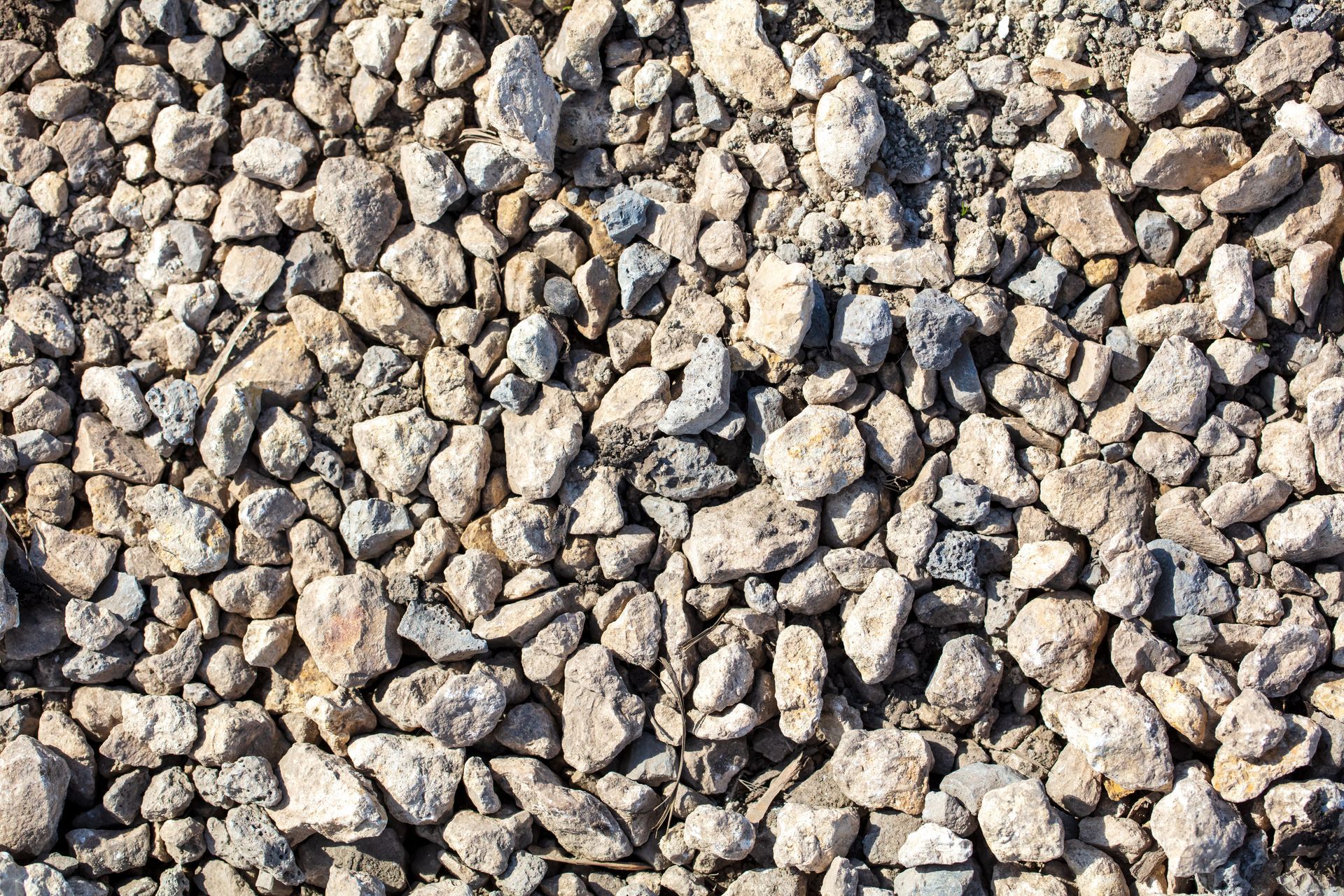
This is the material that protects your wall from water pressure. Clean, angular crushed rock, like 3/4" gravel, is placed directly behind the wall so water can flow freely down to a drain instead of building up. The key word is clean: rock with lots of fines (dust and small particles) clogs and drains poorly. Many manufacturers specify at least a foot of drainage rock behind segmental block walls, and the wall’s design will specify the exact requirement.
Backfill
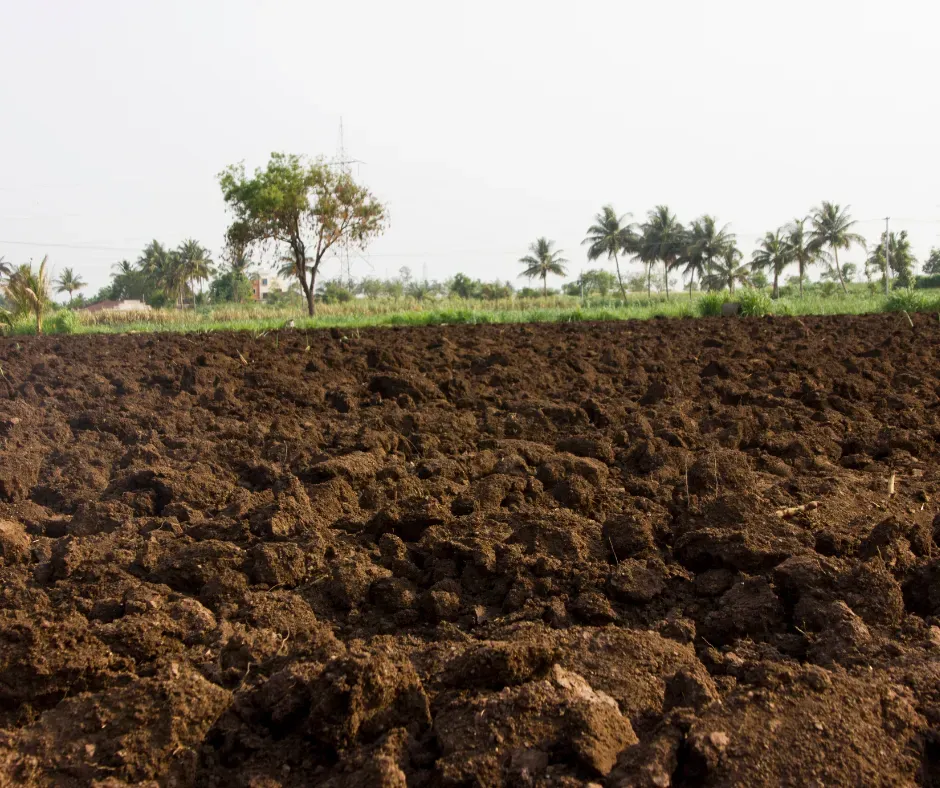
Backfill is the material used behind the drainage zone to fill the space between the wall and the slope. It should be compacted in thin layers, called lifts, so it doesn’t settle or push against the wall. Avoid using rich topsoil or organic-heavy soil in structural zones, since it holds water and compresses over time. Expansive clay soils, common in parts of North County, can swell and exert extra pressure on walls, so backfill choices matter more here. Follow the wall manufacturer’s or engineer’s specifications for what’s acceptable.
Perforated Pipe and Filter Fabric
A perforated drain pipe at the base of the wall carries collected water away to a safe outlet. Filter fabric wraps the drainage rock to keep soil from migrating in and clogging it.
Geogrid and Reinforcement
Taller segmental walls usually require geogrid, a reinforcing mesh layered into the backfill and tied to the wall, to resist the pressure of the soil it holds back. Reinforcement details come from the wall design or engineer.
Concrete for Footings and Setting
Some wall types call for concrete footings or concrete for setting caps and stones. Products like C-Mix, a blend of sand, gravel, and cement, are used for this kind of work.
Why Drainage Is the Make-or-Break Factor
Water is the leading cause of retaining wall failure. When rain saturates the soil behind a wall, it adds significant weight and pressure, called hydrostatic pressure. A wall designed to hold dry soil can lean, bulge, crack, or collapse when it has to hold wet soil.
A good drainage system includes:
- Clean drainage aggregate behind the wall
- Perforated pipe at the base, sloped to an outlet
- A drain outlet that actually discharges water away from the wall and neighbors
- Weep holes in some wall types
- Surface drainage that directs runoff away from the top of the wall
Get this right and many other problems solve themselves.
Erosion Prevention Around Retaining Walls
Retaining walls are often built on slopes, so controlling erosion is part of the job:
- Cover exposed soil quickly. Bare soil above and below the wall washes away fast in heavy rain, especially right after construction.
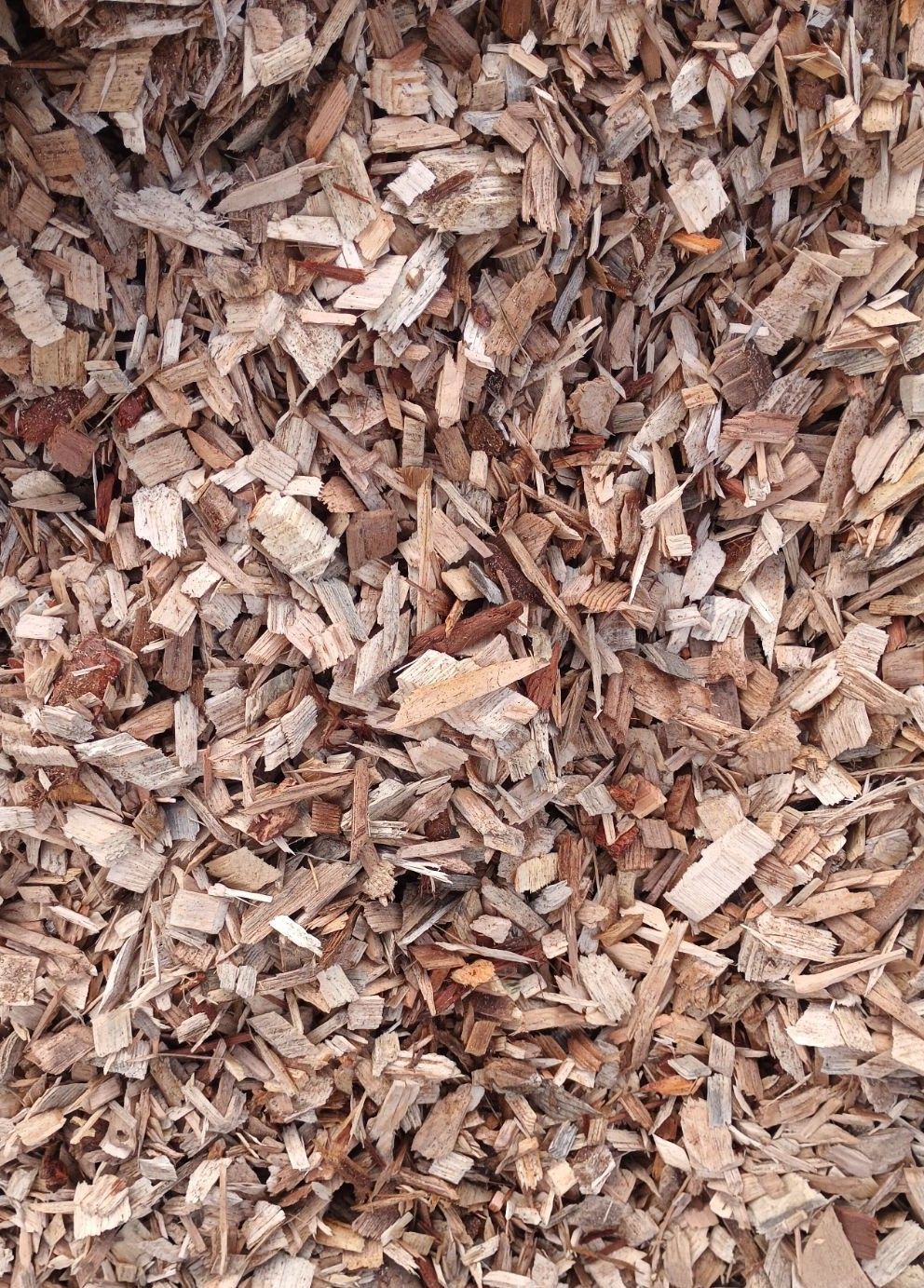
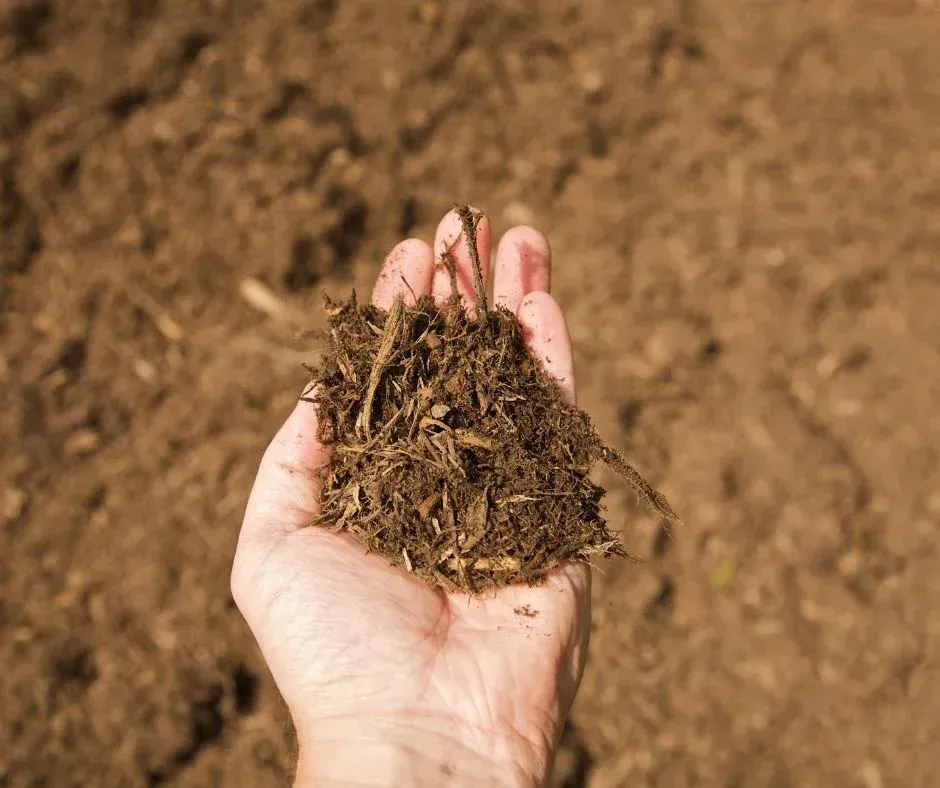
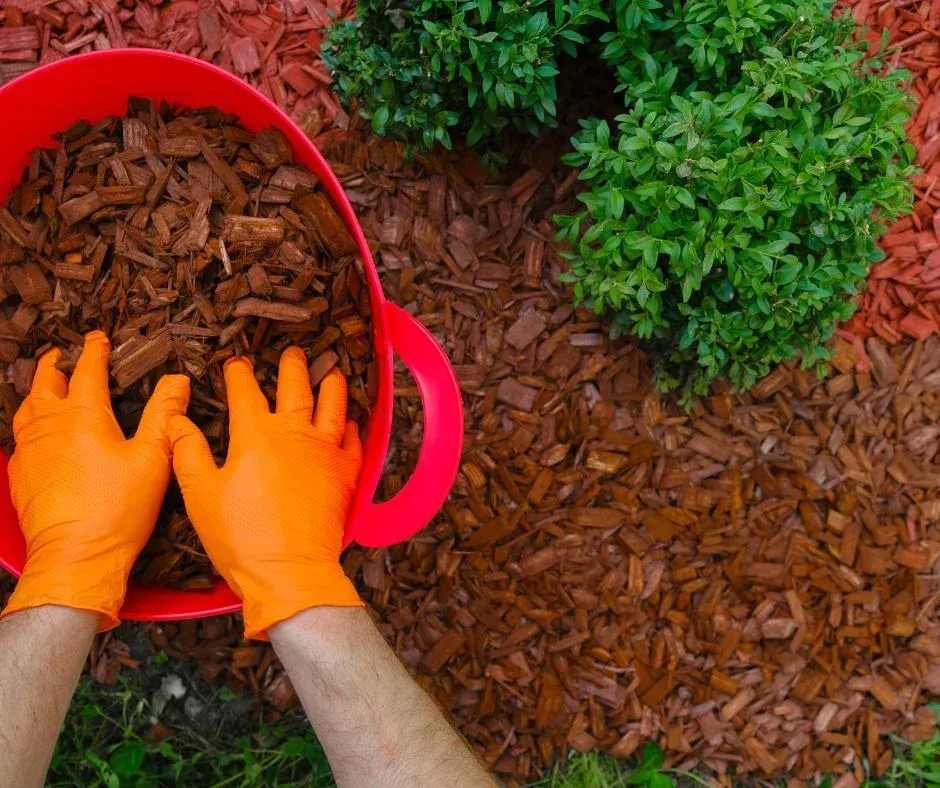
- Use mulch or bark on slopes and planting areas to slow runoff and protect the soil surface. See options for mulch and bark.
- Plant groundcovers and deep-rooted plants to hold soil in place over time.
- Place rock at drainage outlets and the base of the wall to disperse flowing water and prevent scouring.
- Consider gopher wire in planting areas, since burrowing animals can undermine soil near walls.
With wet-weather forecasts for winter, November is a good time to finish erosion protection before heavy rain arrives.
Planning for Long-Term Structural Performance
A wall that lasts comes down to decisions made before the first block is set:
- Know when engineering and permits are required. Many jurisdictions require them for walls above roughly 3 to 4 feet, or for walls supporting driveways, structures, or slopes. Check with your city or county.
- Compact in lifts. Base and backfill should be compacted in thin layers, not dumped and tamped at the end.
- Don’t skimp on drainage. It’s the cheapest part of the wall to build right and the most expensive to fix later.
- Manage water above the wall. Keep irrigation, downspouts, and runoff from pouring onto or behind it.
- Plan for maintenance. Keep drain outlets clear, and watch for bulging, leaning, cracking, or staining near weep holes.
Choosing Materials for Your Project
- Low garden wall or raised bed: Block, timber, or stone, with a compacted base and basic drainage rock
- Terraced slope: Segmental block or boulders, with drainage rock, pipe, and erosion control on every tier
- Tall or structural wall: Engineered design with reinforcement, footings, and carefully specified backfill and drainage
- Natural look: Boulders with proper base, drainage, and planting above
Use the cubic yard calculator to estimate how much base, rock, and backfill you’ll need before ordering.
Retaining Wall Materials in North County San Diego
North County Supply is an Escondido-based supplier of bulk landscape materials, including aggregate and crushed rock, boulders, soils, mulch, and bark, available for delivery across San Diego, Riverside, and Orange Counties, so homeowners, contractors, and landscape designers can get every material for a retaining wall from one source.