Sustainable Soil and Mulch Practices for the Upcoming Growing Season
As March marks the transition into the growing season, gardeners, landscapers, and municipalities alike begin preparing their soil for months of active growth. While plant selection and irrigation often get the spotlight, soil health remains the foundation of any successful landscape.
Sustainable soil and mulch practices not only improve plant performance but also reduce water usage, minimize waste, and support long-term environmental health.
For those looking to get ahead this season, focusing on soil structure, organic matter, and moisture retention can make a measurable difference in both short-term results and long-term sustainability.
Start with Soil Testing for Precision
Before adding amendments or mulch, it’s critical to understand what your soil actually needs. Soil testing provides insight into pH levels, nutrient deficiencies, and composition (sand, silt, clay balance). Without this baseline, it’s easy to overcorrect or apply unnecessary products.
For municipalities and large-scale landscapers, routine soil testing can also support compliance with environmental guidelines and reduce input costs over time. Once you know your soil profile, you can make targeted decisions that improve efficiency and plant health simultaneously.
Build Organic Matter Through Composting
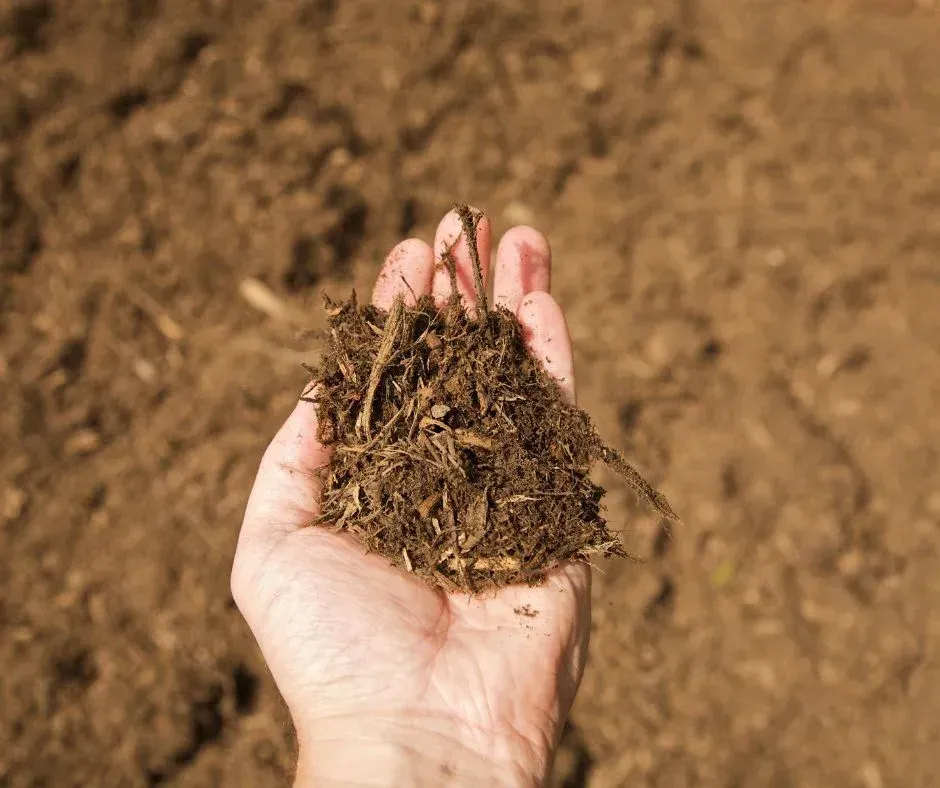
Composting is one of the most effective ways to improve soil structure and fertility. By recycling green waste, food scraps, and organic debris, you create a nutrient-rich amendment that enhances microbial activity and promotes healthier root systems.
For homeowners, backyard composting bins are a practical starting point. Landscapers and municipalities can take it further by implementing large-scale composting programs that divert waste from landfills while producing valuable soil inputs.
Benefits of compost include:
- Improved soil aeration and drainage
- Increased water retention
- Enhanced nutrient availability
- Reduced reliance on synthetic fertilizers
Incorporating compost into the top few inches of soil before planting ensures nutrients are readily available as the growing season begins.
Choose Organic Amendments Wisely
Beyond compost, other organic soil amendments can address specific deficiencies and improve overall soil performance. Materials such as aged manure, worm castings, and biochar can all contribute to soil health when used appropriately.
The key is to match the amendment to your soil test results. For example:
- Low nitrogen soils may benefit from composted manure
- Poor water retention can be improved with biochar or coconut coir
- Compacted soils may require gypsum to improve structure
Overapplication can be just as harmful as neglect, so measured, informed use is essential.
Mulching: More Than Just Aesthetic
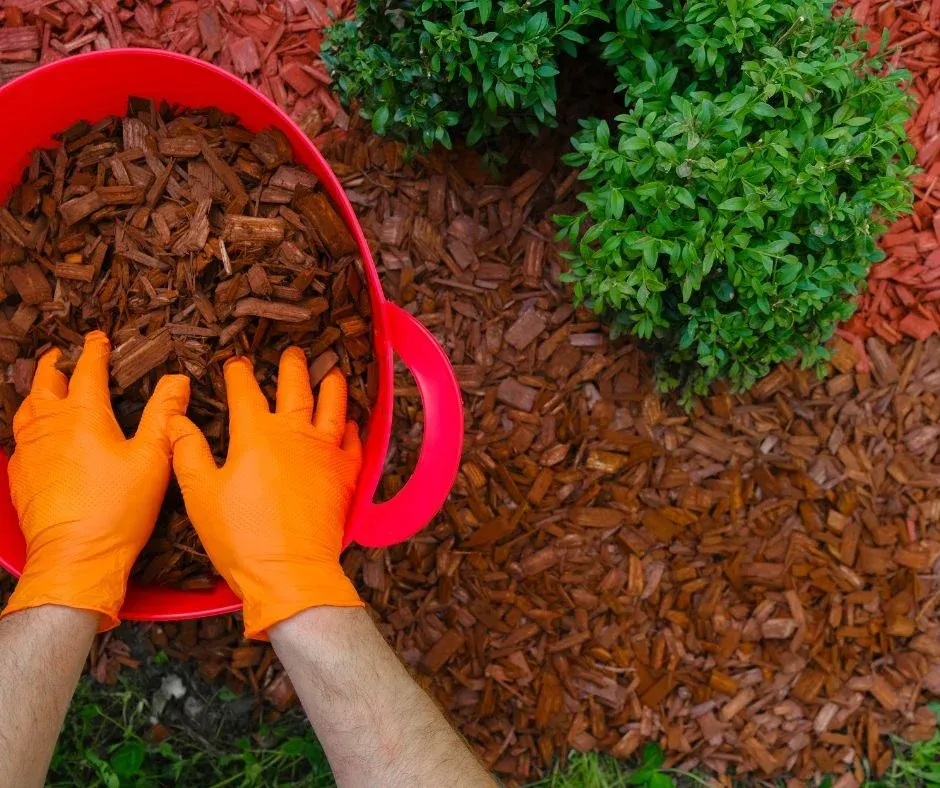
Mulch plays a critical role in sustainable landscaping, especially in regions where water conservation is a priority. A properly applied mulch layer helps regulate soil temperature, retain moisture, and suppress weed growth.
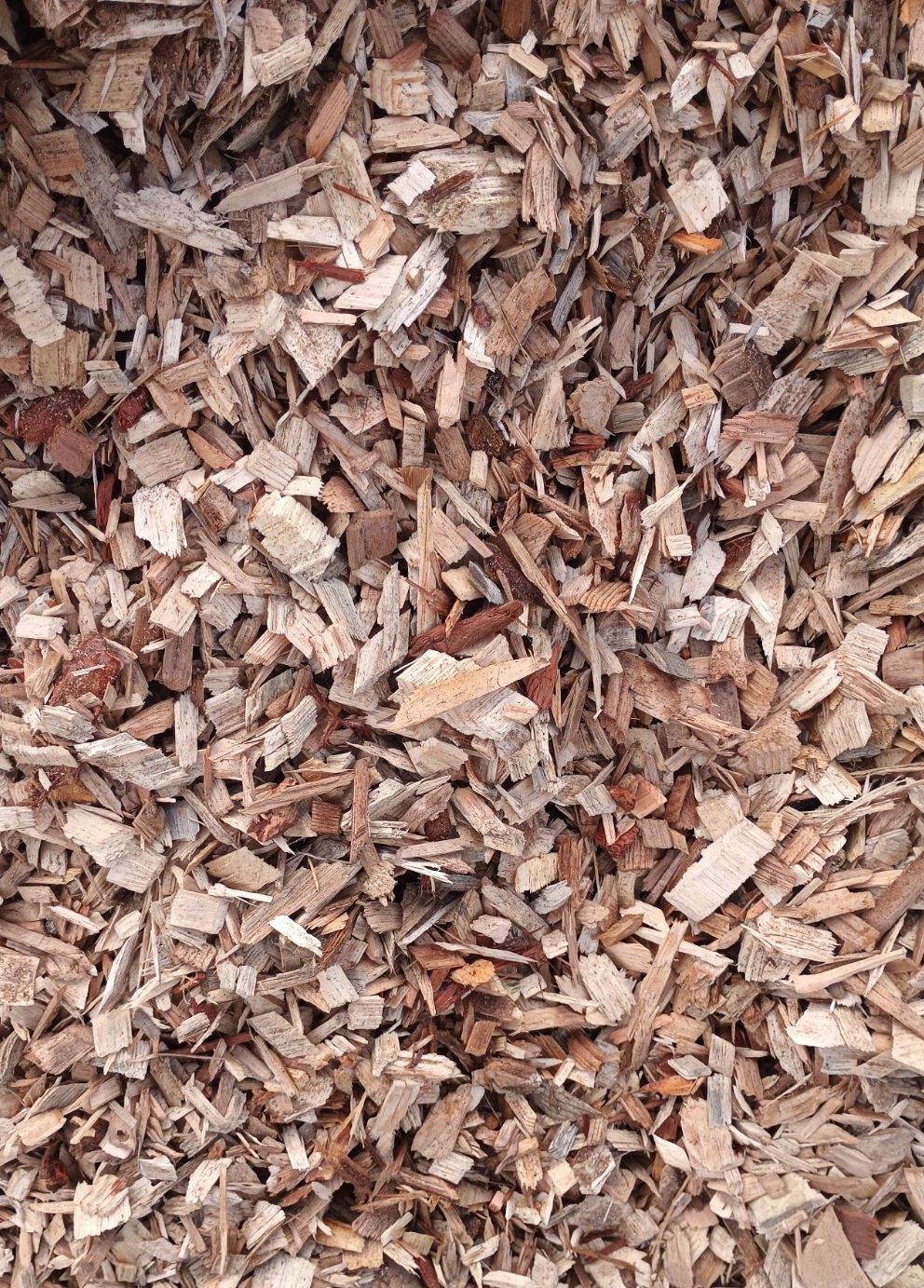
Organic mulch options—such as bark, wood chips, and shredded leaves—also break down over time, adding nutrients back into the soil.
Best practices for mulching include:
- Applying a 2–4 inch layer for optimal moisture retention
- Keeping mulch a few inches away from plant stems and tree trunks to prevent rot
- Replenishing mulch as it decomposes throughout the season
For municipalities and commercial properties, mulch also contributes to a clean, uniform appearance while reducing long-term maintenance needs.
Water Conservation Through Soil Management
Healthy soil directly impacts water efficiency. Soil rich in organic matter can retain significantly more moisture, reducing the frequency and volume of irrigation required.
This is particularly important as water restrictions and sustainability mandates continue to affect landscaping practices. By improving soil structure and using mulch effectively, you create a system that naturally conserves water.
Additional water-saving strategies include:
- Drip irrigation systems that target root zones directly
- Watering early in the morning to minimize evaporation
- Grouping plants with similar water needs (hydrozoning)
These approaches, combined with improved soil health, can substantially lower water usage without compromising plant vitality.
Long-Term Soil Health as a Strategy
Sustainable soil management is not a one-time task—it’s an ongoing process. Each growing season presents an opportunity to build on previous improvements, creating a resilient and self-supporting soil ecosystem.
For professional landscapers and municipalities, this means shifting from reactive maintenance to proactive soil management. Investing in high-quality soil, mulch, and amendments early in the season reduces the need for corrective measures later.
For homeowners, it means fewer plant failures, lower water bills, and a healthier, more vibrant landscape overall.
Preparing for a Strong Season Ahead
March is the ideal time to set the stage for success. By prioritizing soil testing, incorporating organic matter, selecting the right amendments, and applying mulch strategically, you establish a strong foundation for the months ahead.
Sustainable practices not only benefit individual landscapes but also contribute to broader environmental goals—reducing waste, conserving water, and supporting healthier ecosystems.
Whether managing a residential garden or a large-scale property, the principles remain the same: healthy soil leads to healthier plants, more efficient resource use, and better long-term results.