Why Certified Playground Materials Matter
Playground Safety Starts from the Ground Up
When a new playground opens, the focus is usually on what you can see—bright slides, climbing structures, and excited kids racing from one feature to the next. What often goes unnoticed is the most important safety component of all: the surface beneath their feet.
For schools, parks, HOAs, and municipalities, choosing the right playground surfacing isn’t just a design decision. It’s a safety decision, a liability decision, and a long-term maintenance decision. That’s where
certified playground materials come in.
The Hidden Risk Beneath a Playground
Falls are the leading cause of playground injuries. Even short falls can result in serious harm if the ground surface doesn’t absorb impact properly. Hard surfaces, deteriorated materials, or uncertified ground cover increase risk—and expose property owners to potential liability.
Many organizations assume that “wood chips are wood chips,” but not all playground materials are created equal. Certified playground chips are engineered and tested specifically to reduce injury risk.
What Does “Certified Playground Chip” Actually Mean?
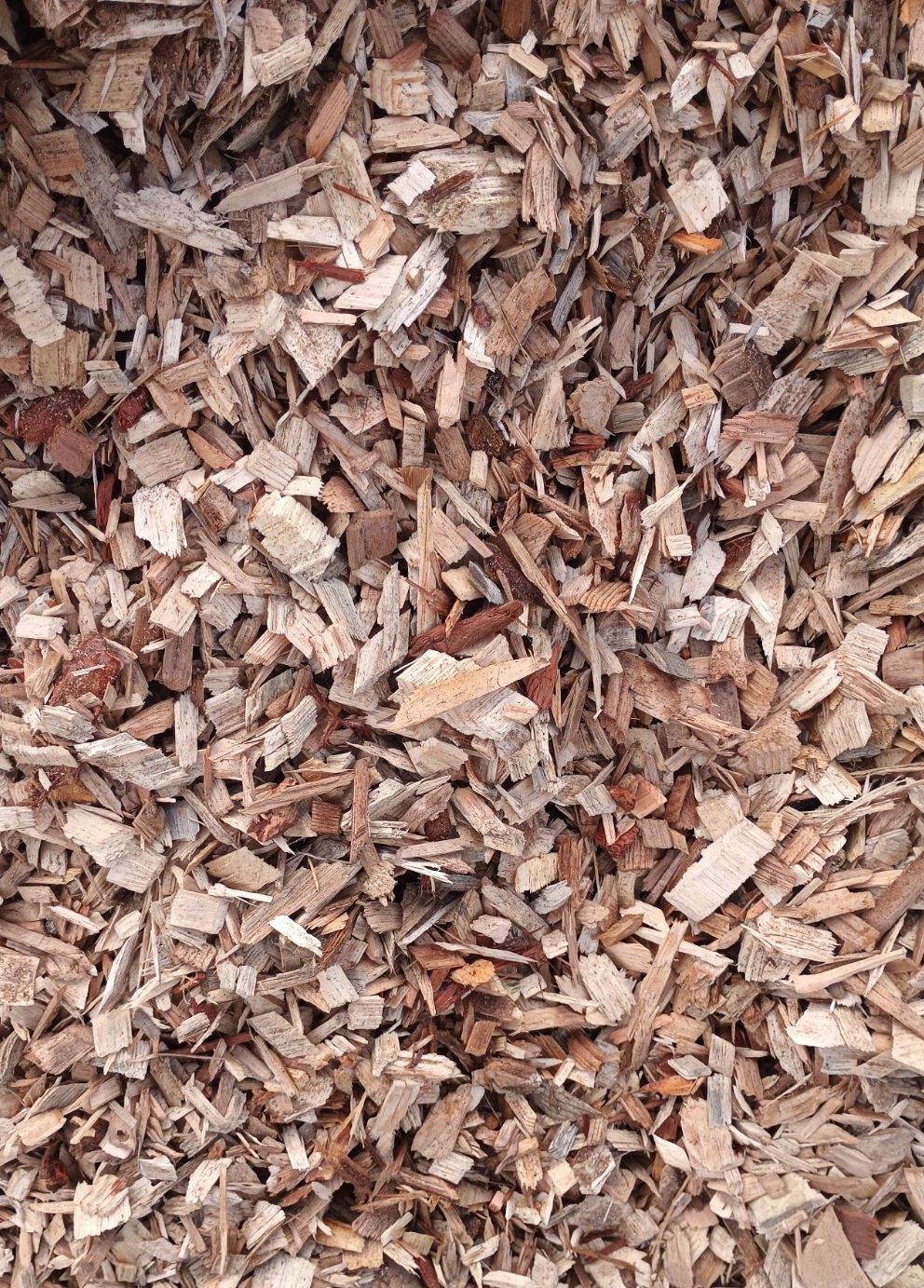
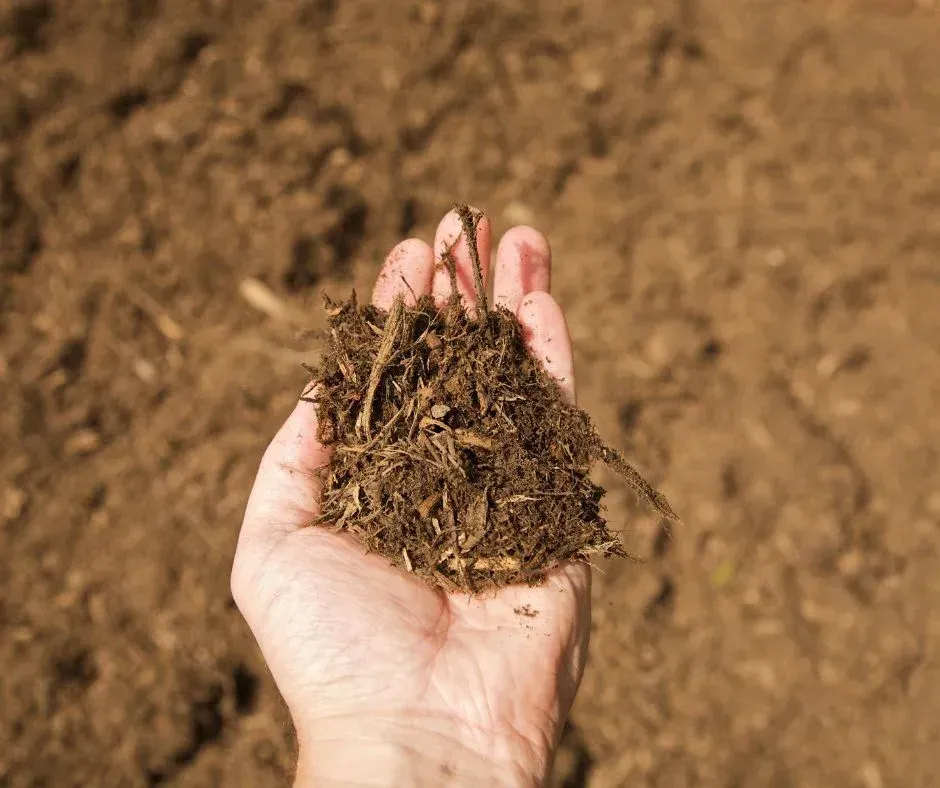
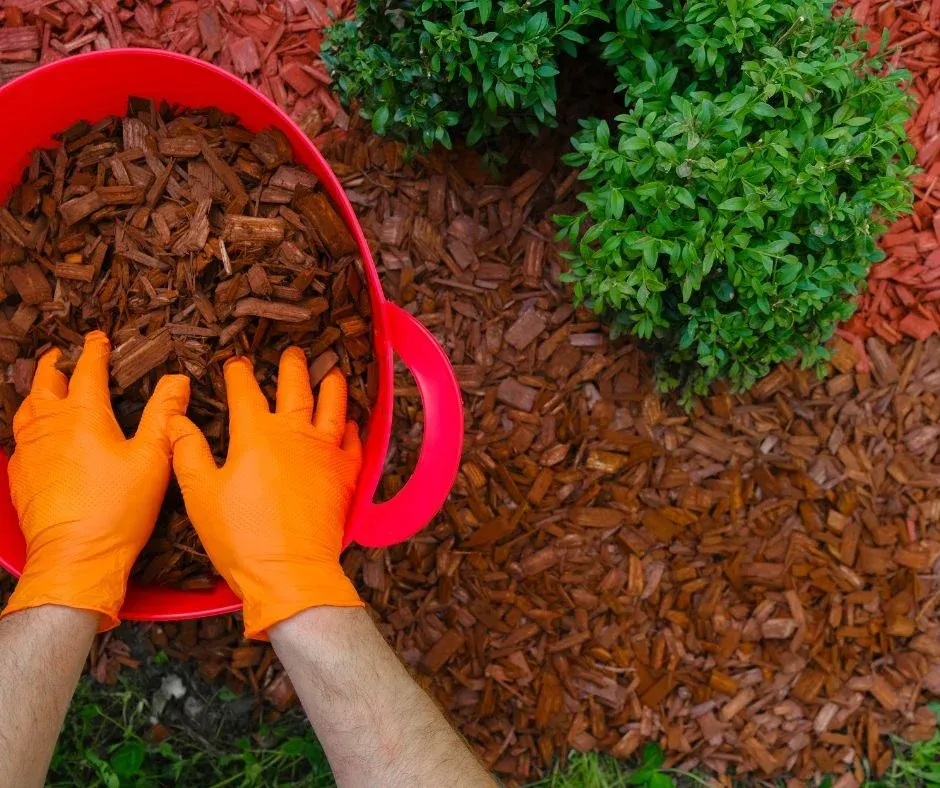
A certified playground chip is not standard mulch or landscaping bark. It is a tested, manufactured safety surface designed to meet national safety standards for playgrounds.
Certified playground materials must comply with ASTM standards, including:
- ASTM F1292 – Measures impact attenuation to reduce head injury risk
- ASTM F1951 – Evaluates accessibility for mobility devices
- ASTM F2075 – Ensures consistent particle size and performance
These standards ensure that the material cushions falls, drains properly, and maintains performance over time.
Why Impact Absorption Is Critical
Playground equipment is designed with fall heights in mind. Certified playground chips are tested to absorb impact from those heights, significantly reducing the chance of serious injury.
Without proper surfacing:
- Falls transfer force directly to the body
- Risk of head injuries increases
- Facilities may fall out of compliance with safety guidelines
Certified playground materials create a safer environment that protects users and the organizations responsible for them.
Material Choices That Balance Safety and Maintenance
One reason certified playground chips are so widely used is their balance of performance and practicality. Compared to poured rubber or synthetic turf, playground chips offer:
- Excellent impact absorption
- Natural drainage to prevent pooling
- Lower installation costs
- Easier replenishment over time
- A clean, natural appearance
For schools and municipalities managing budgets across multiple sites, this combination of safety and low maintenance makes certified playground materials a practical long-term solution.
Real-World Results in Community Spaces
Across North County and surrounding areas, certified playground materials are used successfully in:
- Public parks with heavy daily foot traffic
- School playgrounds serving multiple age groups
- HOA common areas balancing safety and aesthetics
- Municipal recreation facilities requiring code compliance
In each case, the goal is the same: reduce injury risk while keeping maintenance manageable and surfaces compliant with safety standards.
Why Certified Materials Matter More Than Ever
Playgrounds are shared spaces. Parents expect safety. Municipalities face increasing scrutiny. HOAs and schools must balance budgets with liability concerns.
Certified playground materials provide peace of mind. They show a clear commitment to safety, compliance, and responsible facility management—starting from the ground up.
Partnering with the Right Playground Material Supplier
Choosing certified playground chips is only part of the equation. Working with a supplier who understands safety standards, proper installation depth, and long-term maintenance makes all the difference.
North County Supply provides certified playground materials designed to meet ASTM safety standards and support safer, more durable playground environments for schools, parks, HOAs, and municipalities.
When it comes to playground safety, what’s beneath the surface matters most.