Decorative Rock vs. Mulch: Which Landscape Material Is Right for Your Property?
When planning a landscape project, one of the most common decisions homeowners and property managers face is choosing between decorative rock and mulch. Both materials improve curb appeal, reduce weeds, and support healthier outdoor spaces—but they perform very differently over time.
In Southern California, where water conservation and low-maintenance landscaping are top priorities, understanding the differences between these two ground cover options is essential for making the right investment.
What Is Decorative Rock?
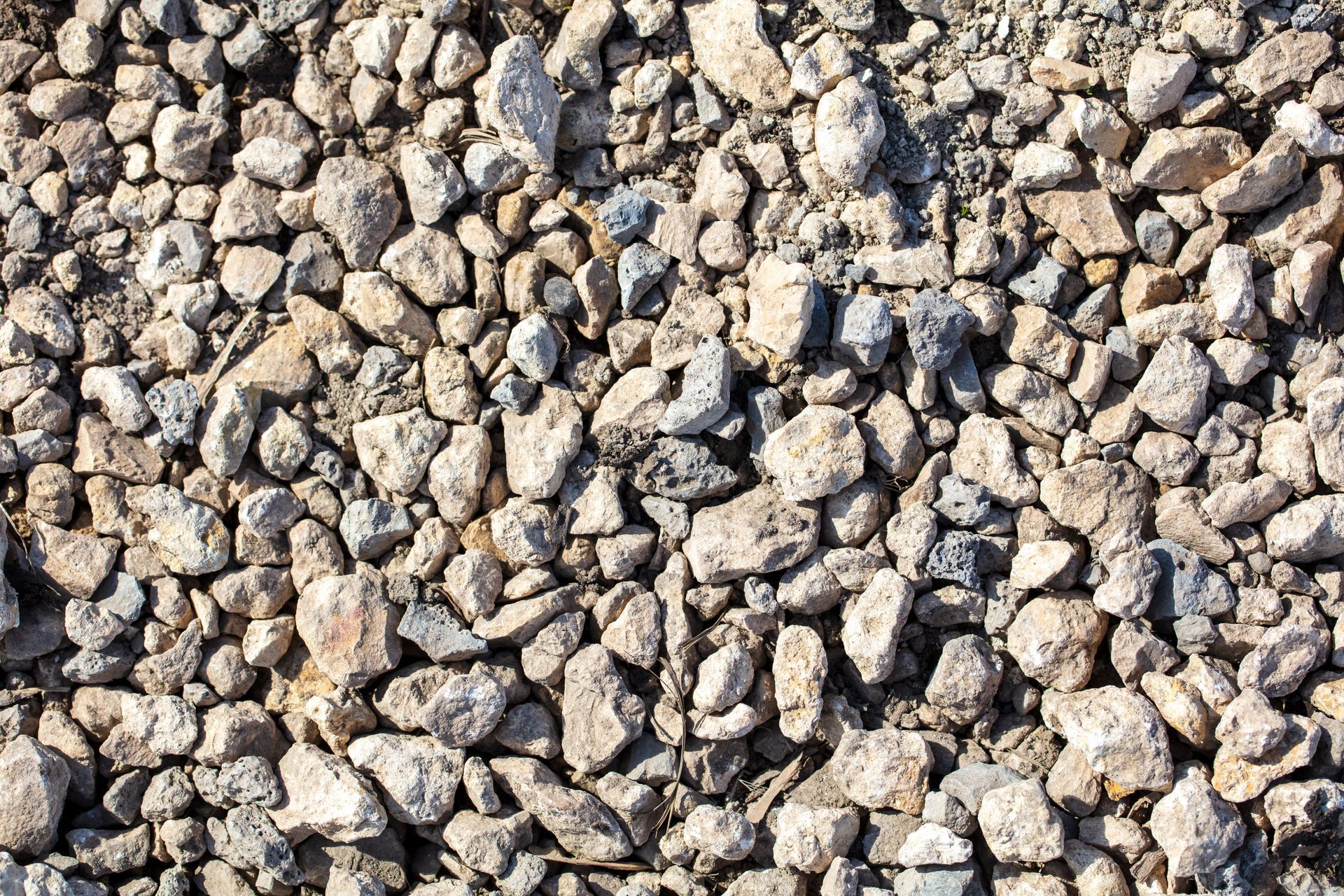
Decorative rock is a natural stone material used to cover soil in landscape beds, pathways, drainage areas, and design features. It comes in many forms, including:
- River rock
- Crushed granite
- Decomposed granite
- Lava rock
- Pea gravel
- Decorative gravel blends
Each option varies in size, color, and texture, allowing property owners to match different architectural and landscape styles.
Benefits of Decorative Rock
Long-lasting performance
Unlike organic materials, decorative rock does not decompose. Once installed properly, it can last for many years without needing replacement, making it a durable long-term solution.
Low maintenance
Rock requires minimal upkeep compared to other ground covers. It does not need to be replenished regularly and generally holds its appearance over time with only occasional debris or weed removal.
Supports water-efficient landscaping
Decorative rock is commonly used in drought-tolerant landscapes because it helps reduce surface evaporation and supports low-water irrigation strategies. This makes it especially useful in Southern California’s dry climate.
Improves drainage
Certain rock types improve water movement through soil and can help reduce pooling or runoff in problem areas. This is especially helpful near walkways, foundations, or sloped areas.
Benefits of Mulch
Improves soil health
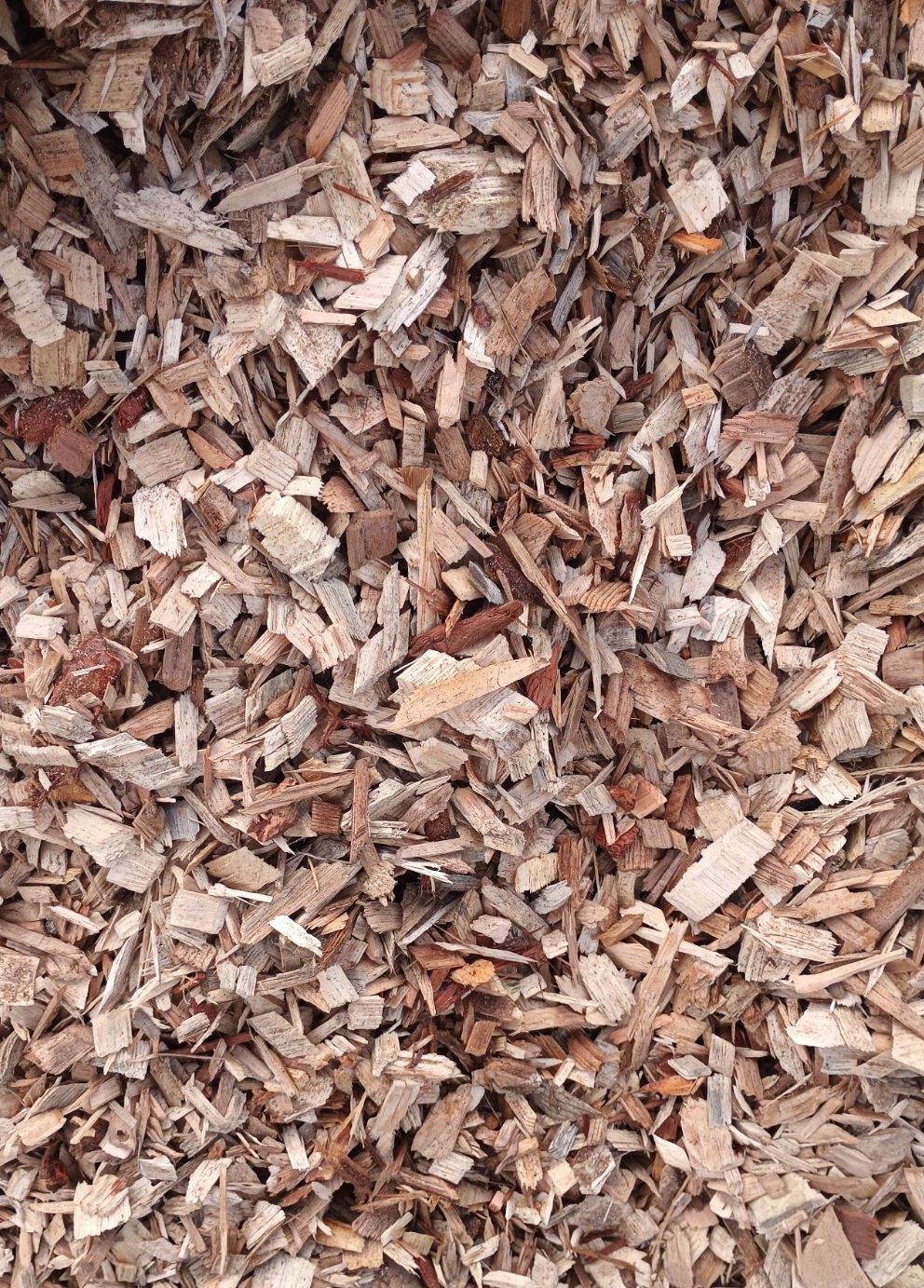
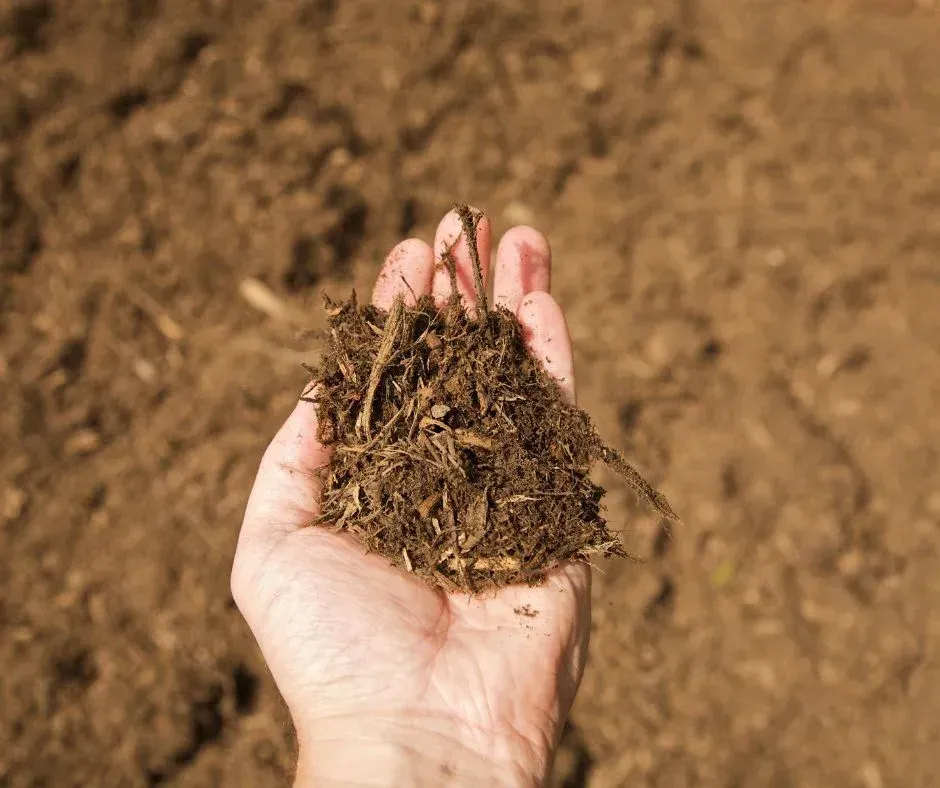
As organic mulch breaks down, it adds nutrients back into the soil. This helps improve soil structure and supports healthier plant growth over time.
Retains moisture
Mulch helps reduce evaporation from the soil surface, allowing plants to retain moisture longer between watering cycles. This is especially valuable during hot, dry periods.
Regulates soil temperature
Mulch acts as an insulating layer, helping keep soil cooler in summer and more stable during seasonal temperature changes.
Helps control weeds
When applied at the proper depth, mulch blocks sunlight from reaching weed seeds, significantly reducing weed growth in planting beds.
Decorative Rock vs. Mulch
Appearance and design style
Decorative rock typically provides a clean, modern, and structured appearance. It is often used in contemporary, desert-style, or minimalist landscapes. Mulch creates a softer, more natural look and blends well in traditional gardens, planting beds, and tree areas.
Maintenance requirements
Decorative rock is generally lower maintenance over time since it does not break down. It may require occasional cleaning or weed control but does not need regular replacement. Mulch requires periodic replenishment as it decomposes and fades. Most landscapes benefit from refreshing mulch annually or every couple of years.
Cost considerations
Mulch usually has a lower upfront cost, making it attractive for large planting areas or budget-conscious projects. Decorative rock typically has a higher initial cost due to material and installation requirements, but it can be more cost-effective long term because it does not need frequent replacement.
Plant and soil impact
Mulch directly benefits plant health by improving soil quality as it breaks down. It is often preferred in garden beds, around trees, and in heavily planted areas. Decorative rock does not improve soil nutrients but works well in non-planting zones, pathways, and areas designed for low water use and minimal maintenance.
Climate suitability
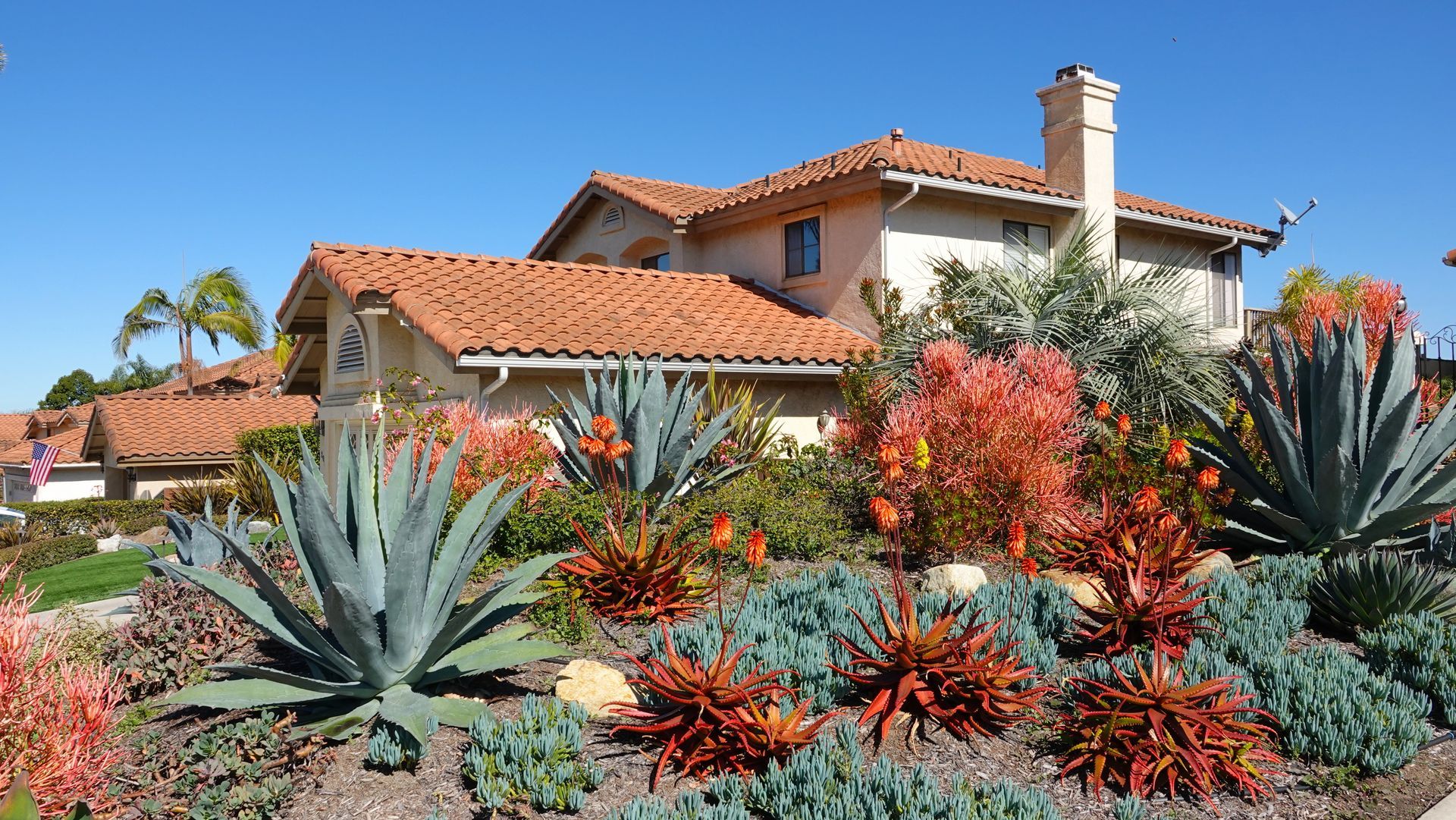
In hot, dry climates like Southern California, decorative rock is often used in xeriscaping and drought-tolerant designs because it supports water conservation goals. Mulch is still widely used in planting beds where soil health and moisture retention are priorities.
Can You Use Both Materials Together?
Yes—many of the most effective landscape designs use both decorative rock and mulch strategically.
For example:
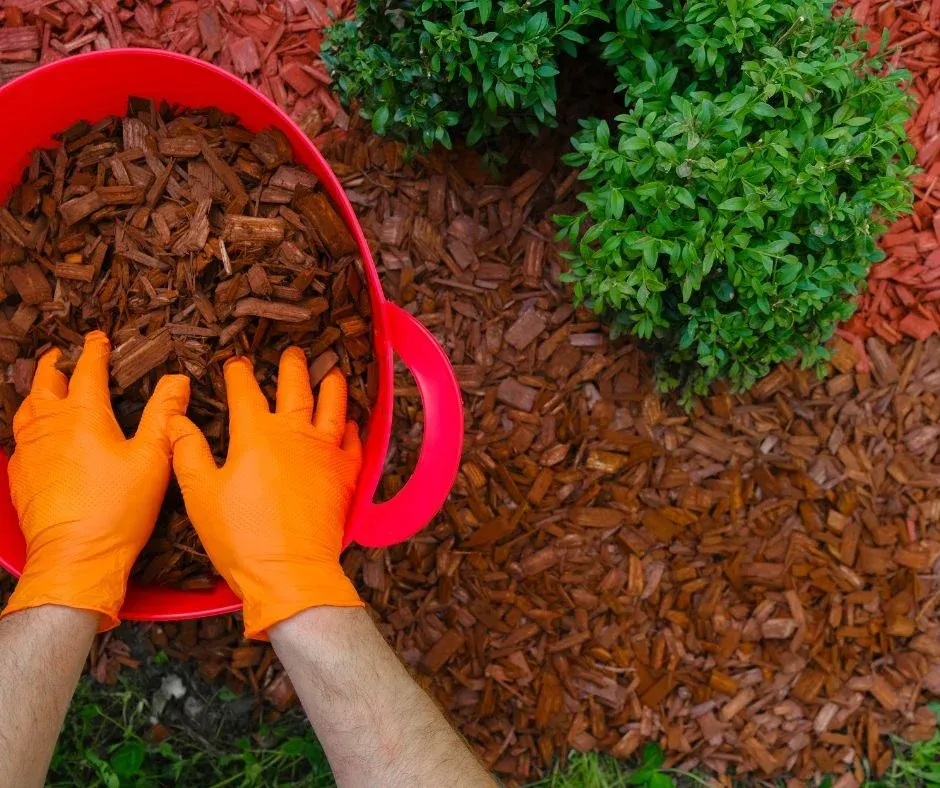
- Mulch can be used in planting beds around trees and shrubs
- Decorative rock can be used in pathways, borders, and dry drainage areas
- Rock can define structure while mulch supports plant health
Combining both materials allows property owners to balance aesthetics, functionality, and maintenance needs.
Choosing the Right Material for Your Project
When deciding between decorative rock and mulch, consider the following:
- How much maintenance you want to perform
- Whether the area includes active plantings
- Your water conservation goals
- The overall design style of your landscape
- Long-term cost vs. upfront investment
There is no universal “best” choice—only the best choice for your specific project goals. In many cases, a blended approach provides the most practical and visually appealing solution.
Final Thoughts
Decorative rock and mulch both play important roles in landscape design, but they serve different purposes. Rock offers durability, low maintenance, and strong performance in drought-tolerant environments, while mulch provides soil enrichment and strong support for plant health.
Understanding how each material functions allows homeowners, contractors, and property managers to make smarter, more cost-effective landscaping decisions that perform well over time.
Choosing the right ground cover is not just about appearance—it’s about building a landscape that works with your environment, not against it.