Drought-Tolerant Landscaping Materials for Southern California Homes
Southern California's climate makes water-efficient landscaping less of a trend and more of a necessity. Between periodic drought restrictions, rising water costs, and a growing number of HOAs and municipalities encouraging (or requiring) water-wise design, homeowners, landscape designers, and property managers are all looking for the same thing: materials that cut down on irrigation without sacrificing curb appeal.
The good news is that drought-tolerant landscaping doesn't mean giving up a beautiful yard — it means choosing the right materials for the job. Here's a breakdown of what to consider.
Decorative Rock: The Foundation of Water-Wise Design
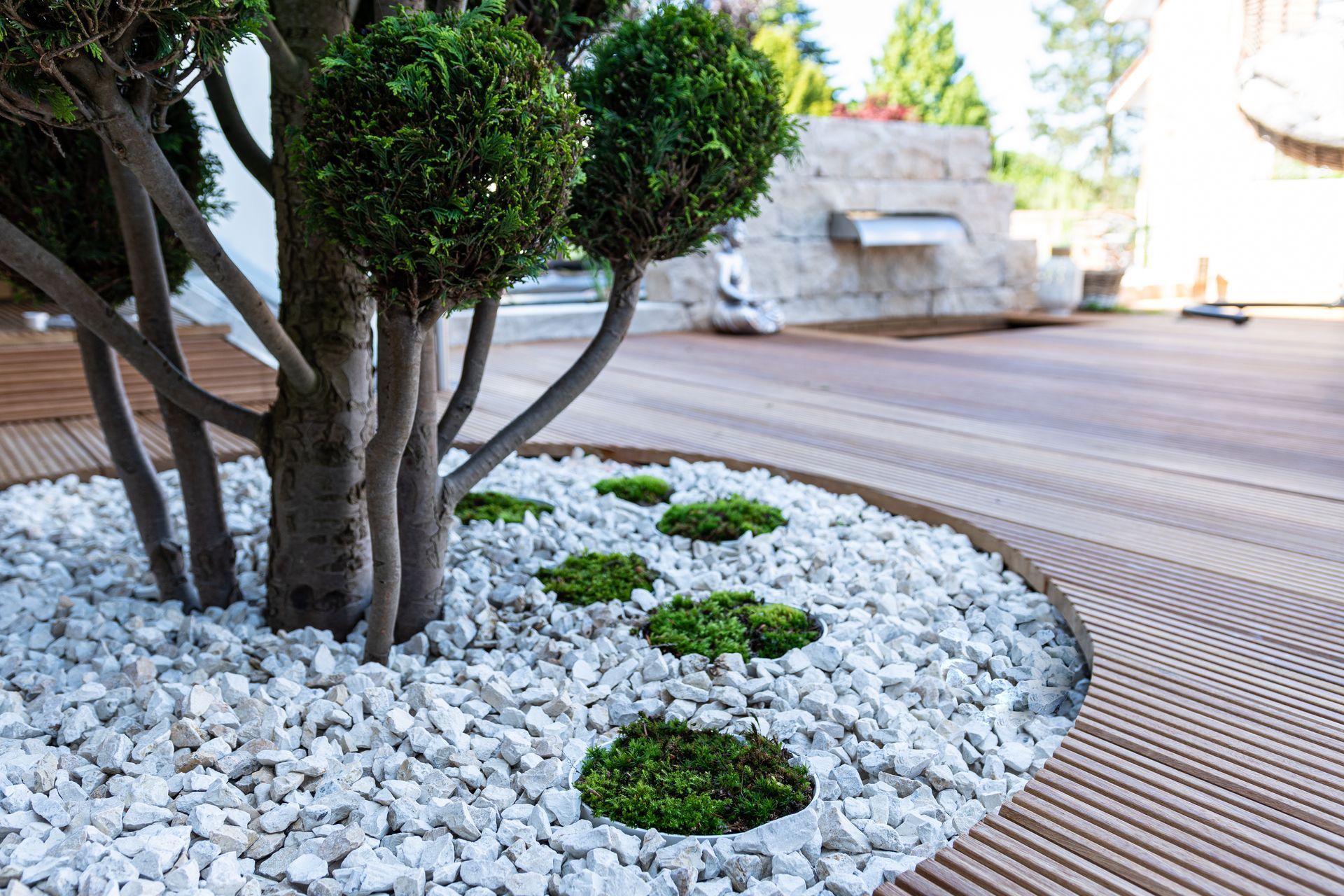
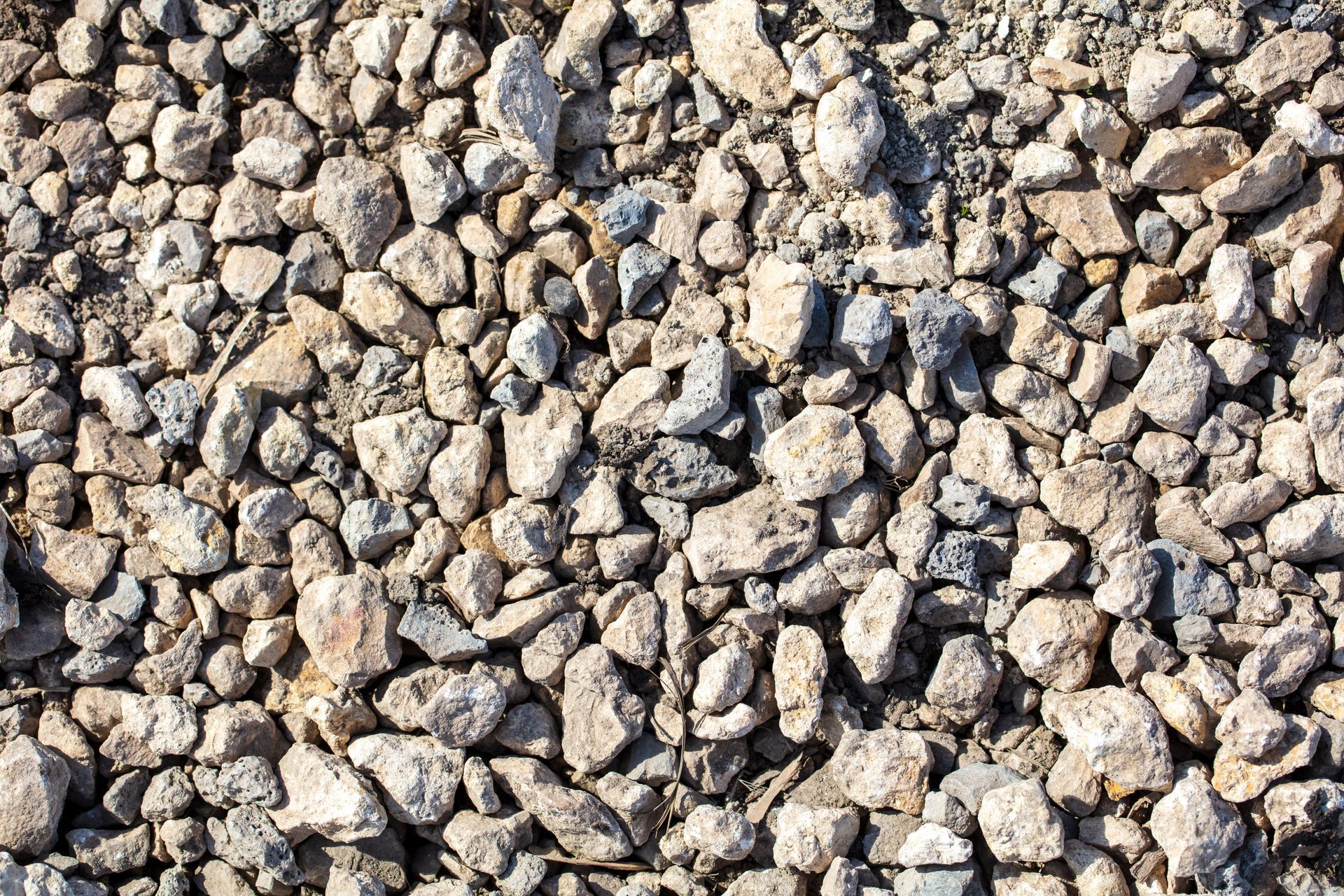
Decorative rock is one of the most effective ways to reduce a landscape's water demand. Unlike turf or dense planting beds, rock groundcover requires zero irrigation on its own and can be used to fill large areas that would otherwise need regular watering. It also reflects heat differently than mulch, which matters in inland North County areas that see higher summer temperatures.
Rock works especially well for:
- Dry creek beds and drainage features
- Pathways and borders that need little to no maintenance
- Areas around drought-tolerant or native plants where you want to reduce weed competition without added moisture
Mulch: Moisture Retention Where You Still Need Plants
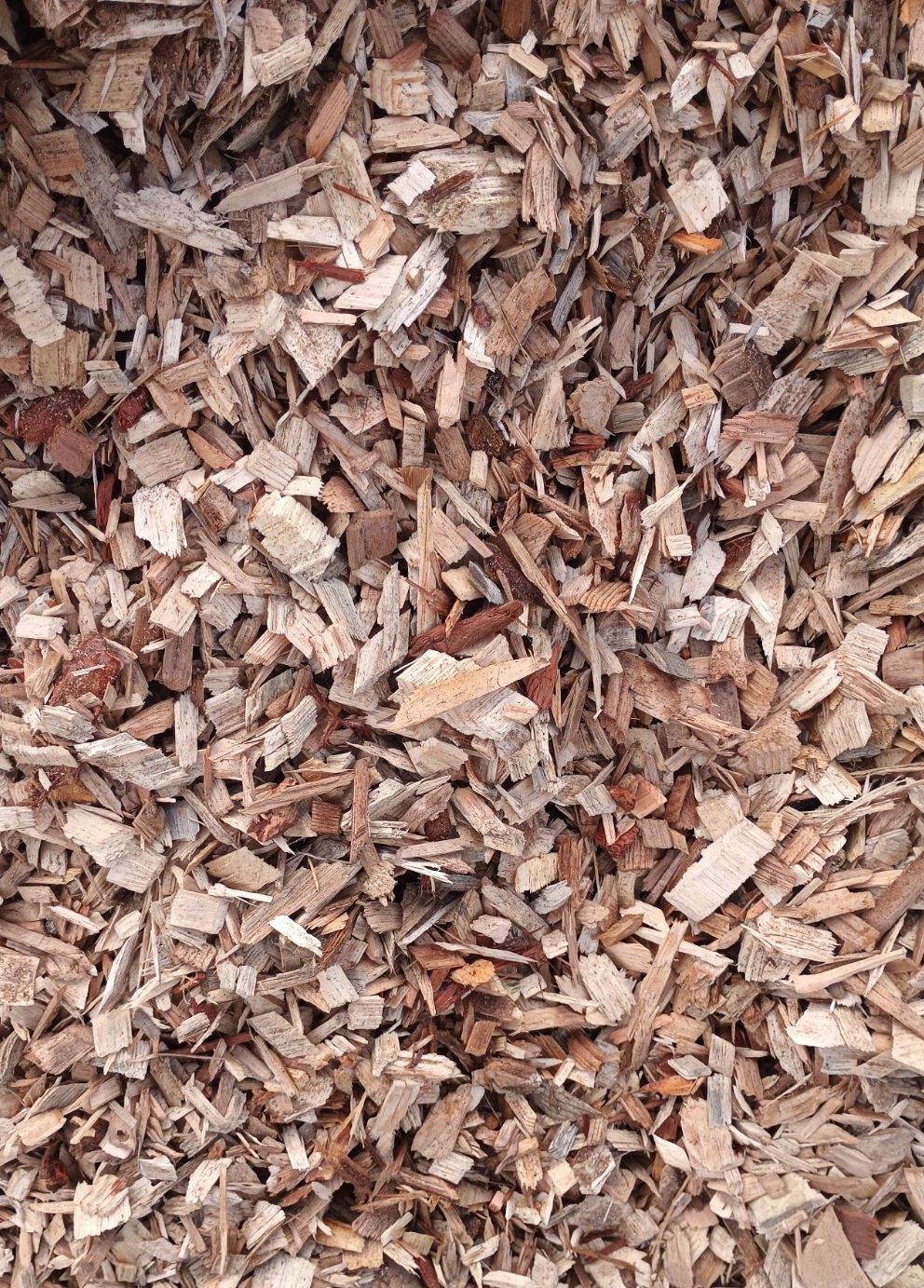
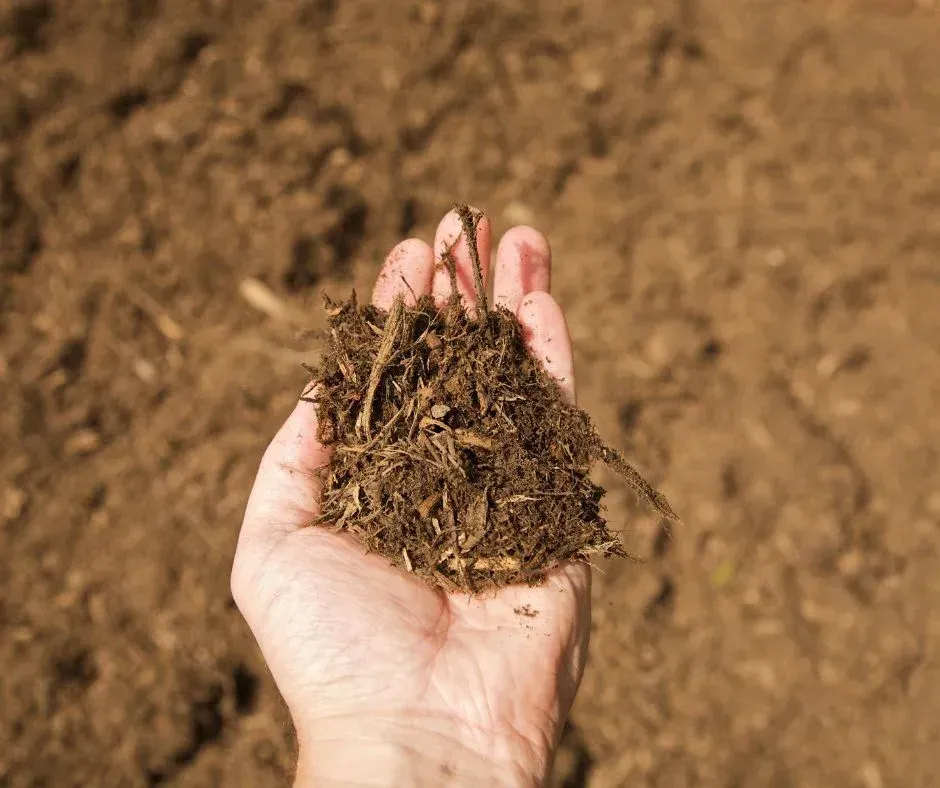
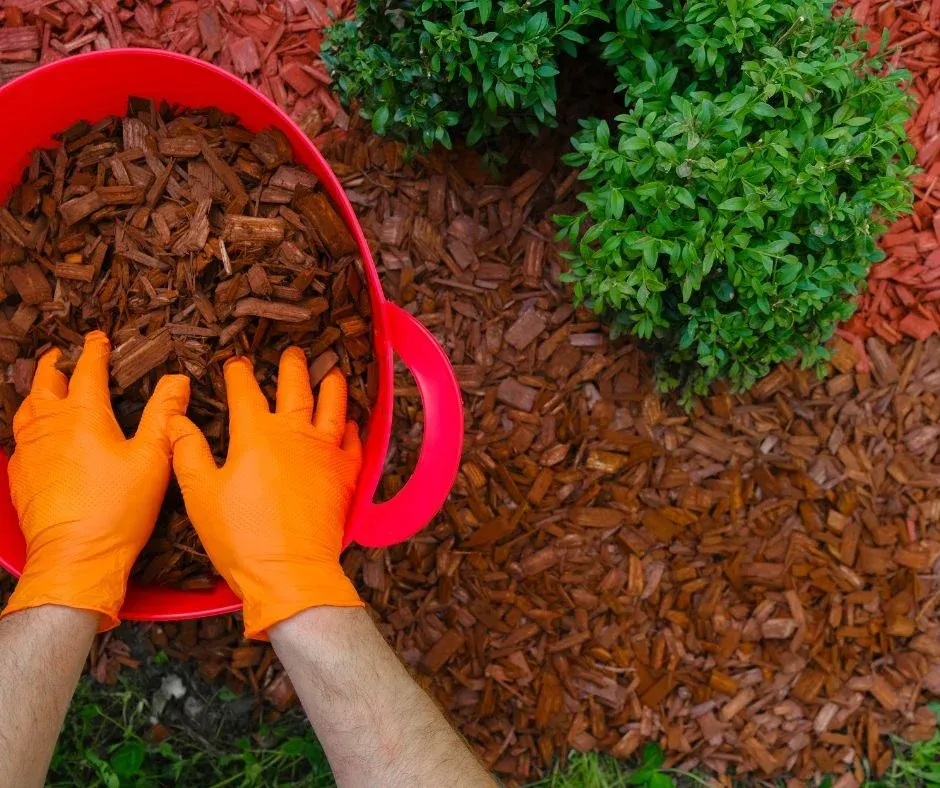
Not every yard is going all-rock, and that's where mulch earns its place in a drought-tolerant plan. A quality mulch layer helps soil retain moisture longer between waterings, meaning you can stretch irrigation cycles further without stressing plants. It also suppresses weeds, which compete with your plants for the water that is available.
For water-conscious properties, mulch is typically used around:
- Planting beds with drought-tolerant or native species
- Tree rings, where consistent moisture retention supports root health
- Transition zones between turf-free areas and remaining planted sections
Specialty Soils: Getting the Foundation Right
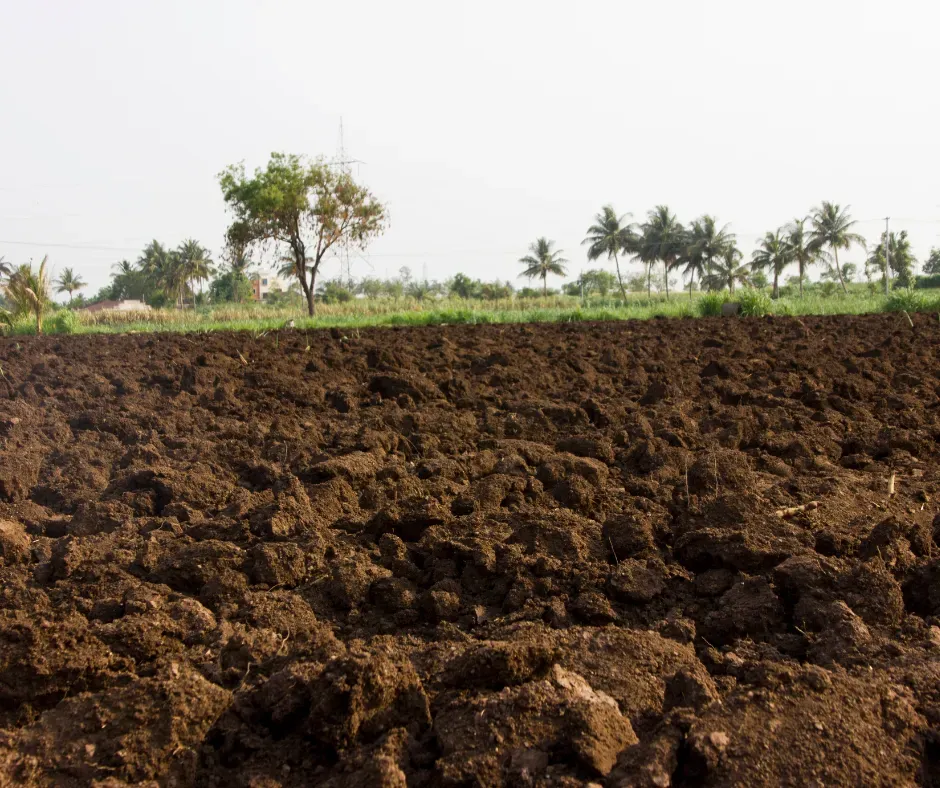
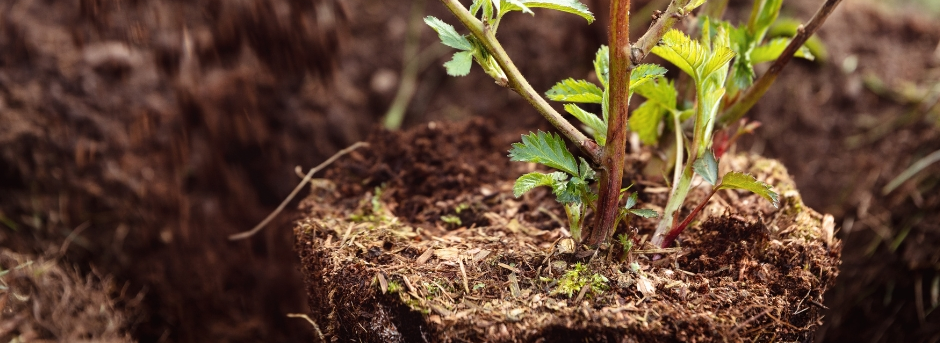
Water efficiency starts below the surface. A well-blended soil that supports healthy root development helps plants use available water more efficiently, rather than losing it to poor drainage or compaction. Soils that support strong root systems mean plants can access moisture deeper in the ground, reducing how often surface irrigation is needed.
This matters most when a property is transitioning from thirsty turf to a drought-tolerant plant palette — new plantings need the right soil foundation to establish deep roots that will eventually require less water long-term.
Aggregate and Crushed Rock: Durable, Low-Water Hardscaping
Beyond decorative rock, aggregate and crushed rock serve a functional role in water-efficient design — particularly for drainage. Well-designed aggregate areas help direct water where it's needed (like toward remaining plant beds) instead of letting it run off or pool. This is especially relevant for erosion control on sloped properties, a common concern in North County San Diego's hillside communities.
Erosion Control Products: Protecting the Investment
Reducing irrigation changes how water moves across a property, and less turf can mean less natural erosion control if a landscape isn't designed thoughtfully. Erosion control materials help stabilize soil on slopes and in transition areas, protecting both the new landscape design and the property beneath it — especially important during the region's occasional heavy winter rain events, when a drought-tolerant yard still needs to handle sudden water volume.
Why This Matters for HOAs and Property Managers
For HOAs and property managers overseeing shared or common-area landscaping, water-efficient materials aren't just about individual yards — they affect community-wide water bills and maintenance budgets. Replacing water-intensive turf areas with a combination of decorative rock, mulch, and drought-tolerant plantings can meaningfully reduce long-term irrigation costs across a property, while erosion control materials help protect that investment through the rainy season.
Choosing the Right Combination for Your Project
Most successful drought-tolerant landscapes aren't all rock or all mulch — they're a thoughtful combination based on the specific area:
- High-visibility zones (entrances, front yards) often benefit from a mix of decorative rock and drought-tolerant plantings for curb appeal
- Slopes and drainage areas call for aggregate, crushed rock, and erosion control products
- Remaining planted beds still benefit from quality mulch and soil to keep water use efficient where plants remain
Get Expert Guidance on Your Water-Wise Landscape
Every property is different, and the right mix of materials depends on your specific layout, sun exposure, and design goals. At North County Supply, we help homeowners, landscapers, and property managers in Escondido and throughout North County San Diego select the right combination of rock, mulch, soil, and aggregate for a landscape that looks great and uses less water.
Not sure how much material you'll need? Use our
cubic yard calculator or
contact our team for help planning your drought-tolerant project.