Cost-Effective Landscaping: Why Aggregate Is a Great Choice
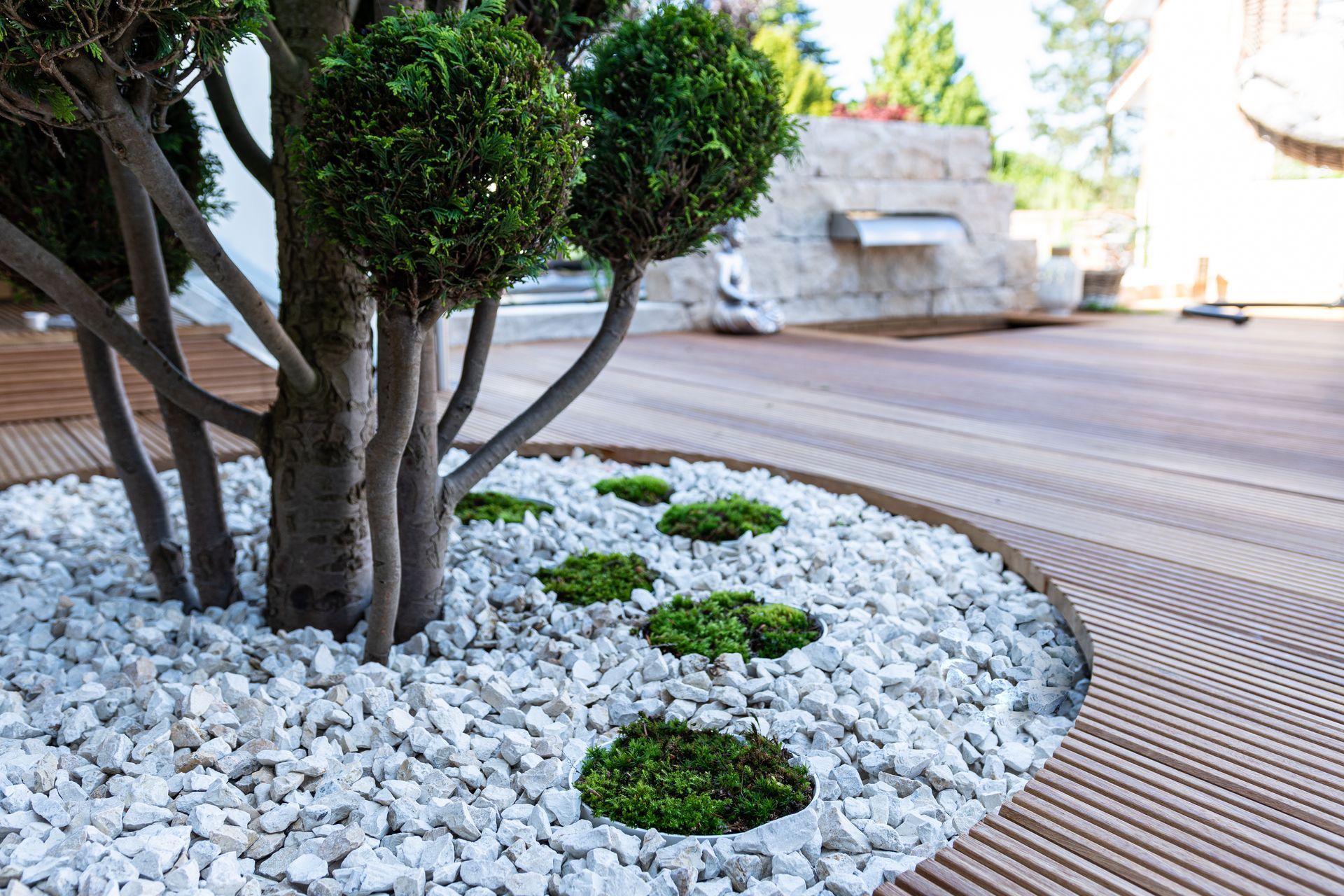
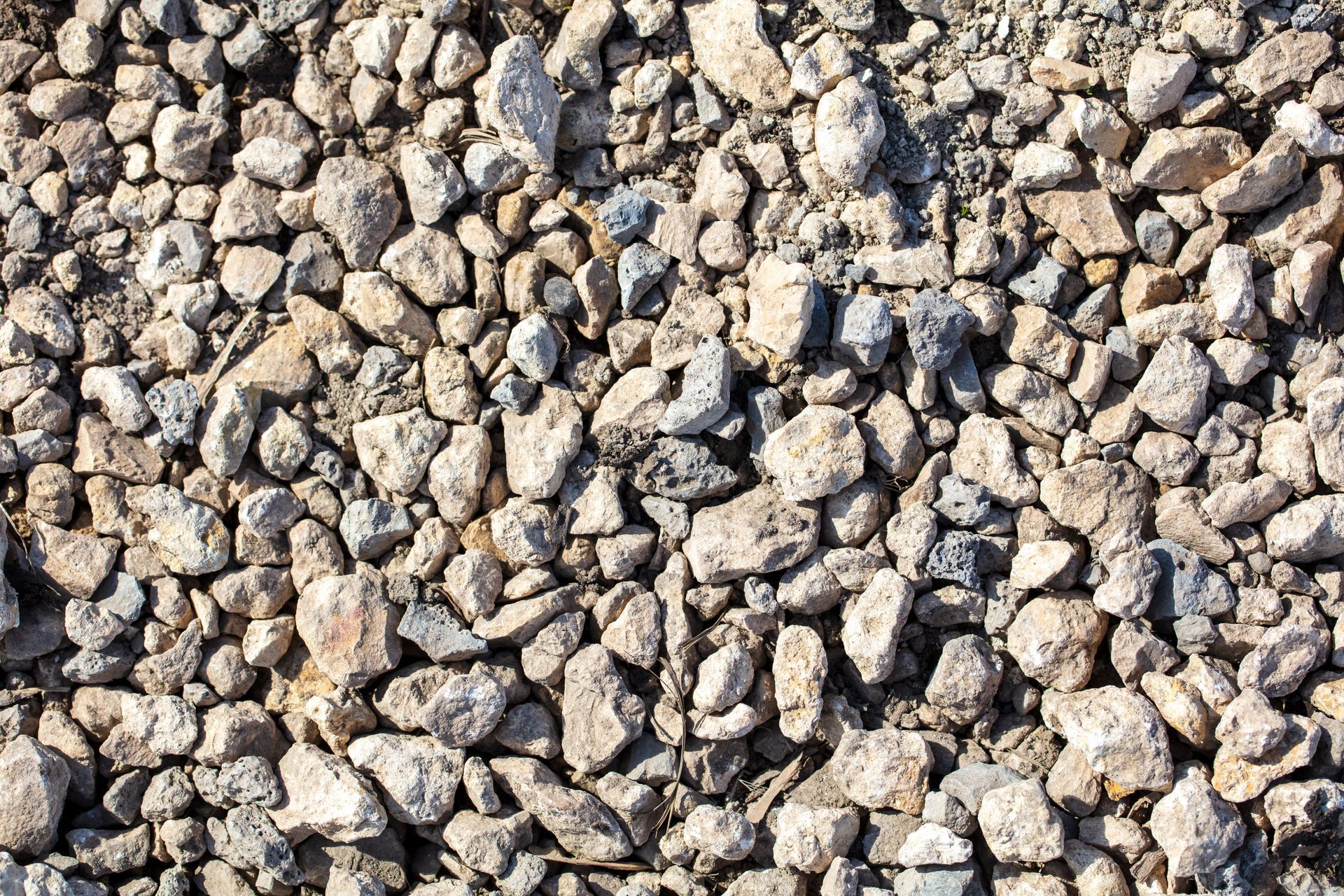
When it comes to landscaping, choosing the right materials is essential for both aesthetic appeal and cost-effectiveness. While options like wood mulch, pavers, and sod can create beautiful outdoor spaces, aggregate—such as crushed rock, gravel, and decomposed granite—offers a budget-friendly and long-lasting alternative. In this blog, we’ll compare the cost of aggregate to other landscaping materials and explore its long-term savings and benefits, making it a smart investment for homeowners and businesses alike.
Comparing Crushed Rock to Other Landscaping Materials
Before diving into the long-term savings, let’s break down how aggregate compares in upfront costs and maintenance to other popular landscaping materials.
| Material | Upfront Cost | Maintenance | Longevity |
|---|---|---|---|
| Crushed Rock / Gravel | Low | Minimal (occasional raking) | 10+ years |
| Decomposed Granite | Low-Medium | Occasional replenishment | 7-10 years |
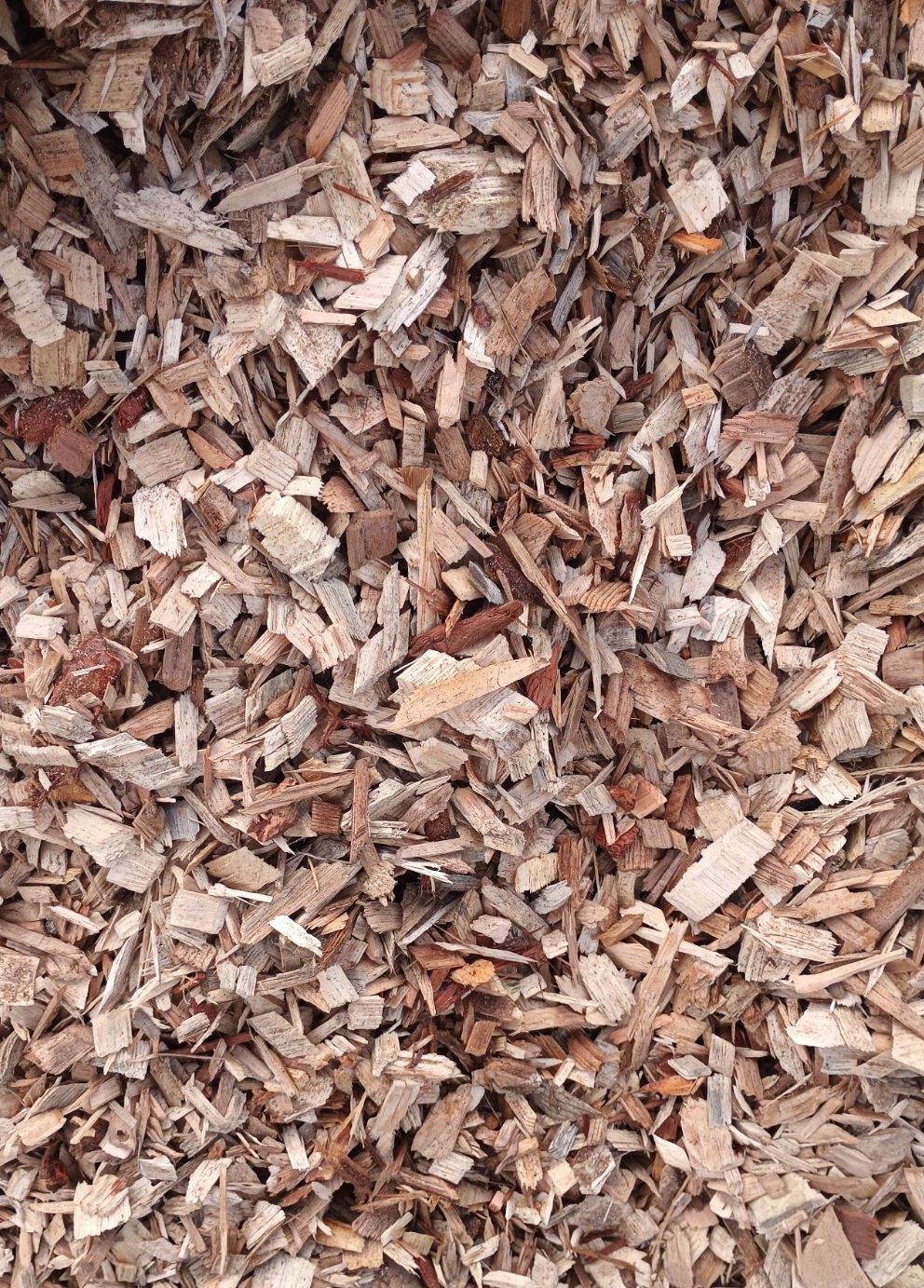
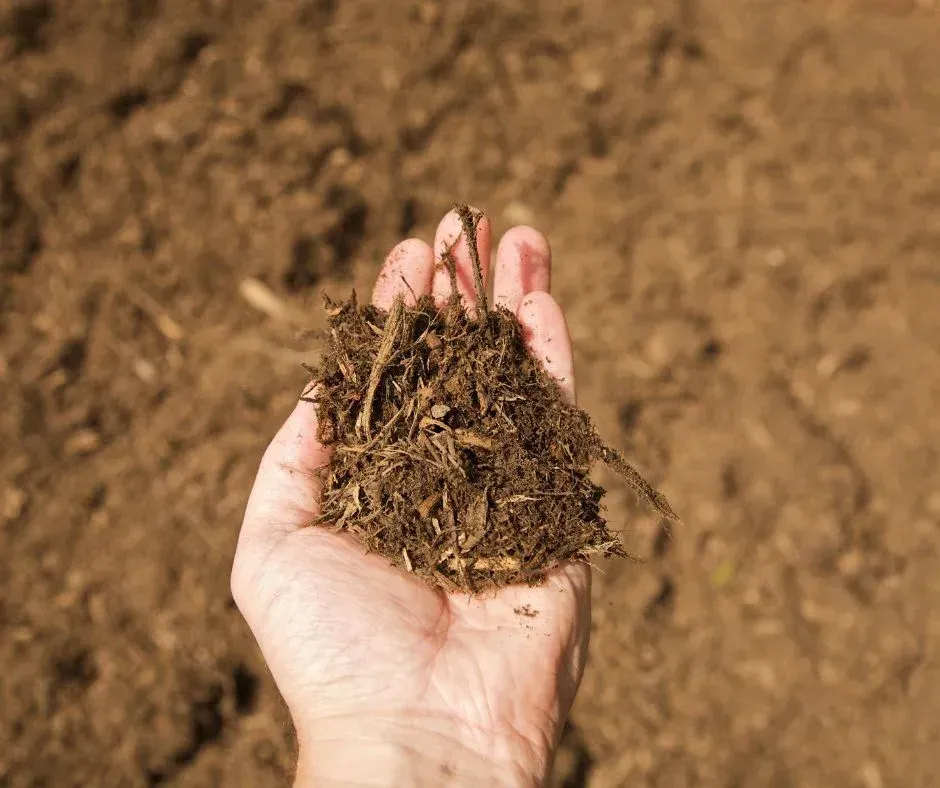
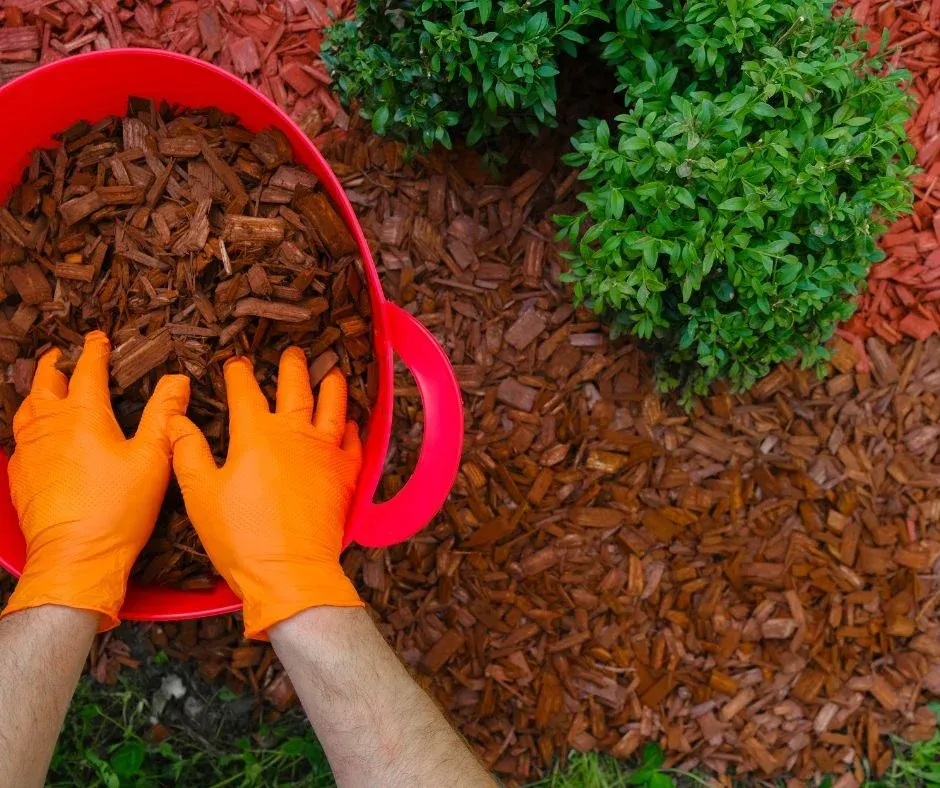
| Wood Mulch | Low | Needs replenishment every 1-2 years | 1-3 years |
| Sod (Grass Lawn) | High | High (watering, mowing, fertilizing) | 5-10 years |
| Concrete / Pavers | High | Low | 20+ years |
From this comparison, it’s clear that crushed rock and other aggregate materials offer an affordable upfront cost and require very little maintenance, making them a cost-effective choice for many landscaping applications.
Long-Term Savings of Using Aggregate
While the initial cost of landscaping materials is important, long-term savings should also be considered. Here’s how using aggregate can save money over time:
1. Reduced Water Usage
San Diego’s dry climate makes water conservation a priority. Unlike sod or plant-heavy landscapes, aggregate does not require watering. By replacing lawn areas with crushed rock or gravel, homeowners can significantly lower their water bills and reduce maintenance costs.
💡 Savings Tip: Replacing 1,000 square feet of lawn with gravel can save up to 20,000 gallons of water per year, cutting down on monthly water expenses.
2. Minimal Maintenance Costs
Unlike wood mulch, which breaks down over time and needs to be replaced every couple of years, crushed rock and gravel remain intact for years. There’s no need for constant replenishment, fertilization, or pest control, reducing ongoing landscaping costs.
💡 Savings Tip: Investing in crushed rock may cost slightly more than mulch upfront, but it pays off in the long run by eliminating the need for frequent replacements.
3. Durability and Longevity
Aggregate materials are incredibly durable and can withstand heavy foot traffic, weather conditions, and erosion. Unlike pavers that may shift over time or sod that deteriorates without proper care, crushed rock stays in place for years with minimal upkeep.
💡 Savings Tip: Choosing a compacted base material like decomposed granite for pathways can prevent erosion and extend the lifespan of your hardscape features.
4. Erosion Control and Drainage Benefits
Crushed rock is highly effective in preventing soil erosion and improving drainage, especially on slopes or in areas prone to water runoff. Installing aggregate in these areas can reduce the risk of costly soil erosion repairs and prevent pooling water that could damage nearby structures.
💡 Savings Tip: Using larger aggregate sizes (such as ¾” crushed rock) in erosion-prone areas can provide stability and reduce the need for expensive landscape restoration projects.
5. Lower Installation Costs
Compared to concrete or pavers, which require extensive labor and materials for installation, aggregate is much easier and cheaper to install. Using crushed rock for pathways, driveways, or decorative landscaping requires little preparation beyond leveling the ground and spreading the material.
💡 Savings Tip: DIY installation of aggregate pathways and garden beds can save homeowners hundreds or even thousands of dollars in labor costs.
Best Uses for Aggregate in Cost-Effective Landscaping
If you're looking to maximize savings while creating a visually appealing and functional landscape, here are some of the best ways to use aggregate:
- Driveways & Pathways – Crushed rock or decomposed granite provides a stable, durable, and low-maintenance alternative to concrete or asphalt.
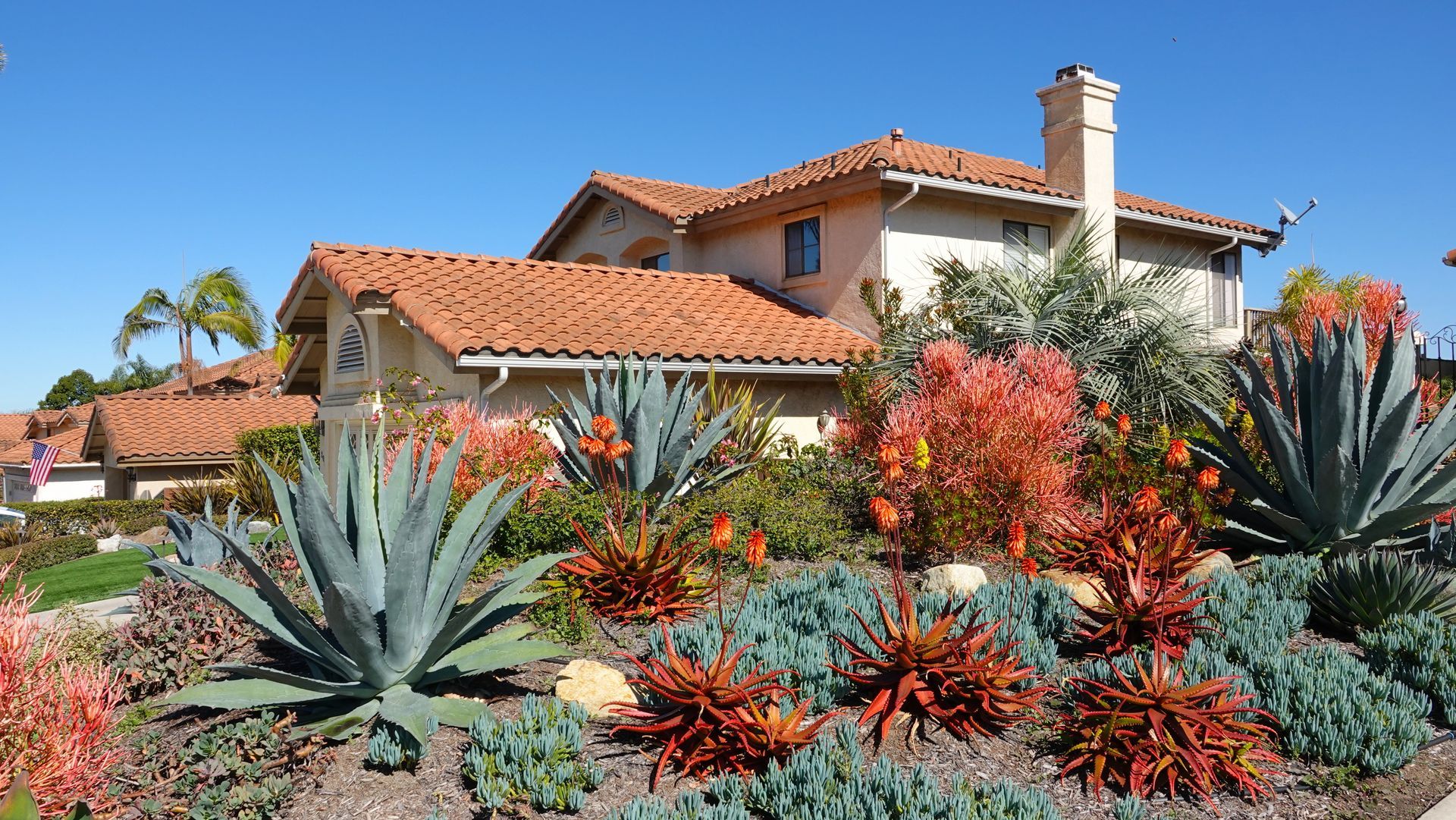
- Xeriscaping & Drought-Resistant Gardens – Gravel and decorative rock enhance the look of drought-tolerant plants while reducing water usage.
- Erosion Control & Drainage Solutions – Use larger aggregate to prevent soil erosion and improve water drainage in sloped areas.
- Mulch Alternative for Garden Beds – Gravel or crushed rock acts as a long-lasting mulch substitute, retaining moisture while preventing weed growth.
- Fire-Safe Landscaping – Unlike wood mulch, rock and gravel do not pose a fire risk, making them ideal for fire-prone areas.
Conclusion
When it comes to cost-effective landscaping, aggregate materials like crushed rock, gravel, and decomposed granite stand out as an affordable and low-maintenance option. With long-term savings on water, maintenance, and installation, using aggregate in your landscape design is both a practical and budget-friendly choice.
If you're ready to incorporate aggregate into your landscape, North County Supply has a variety of high-quality crushed rock and gravel options to meet your needs.
Contact us today to explore our selection and start saving on your landscaping costs!