Using Landscape Bark Versus Hardwood Chips


Using Landscape Bark Versus Hardwood Chips


Mulch materials such as hardwood chips and barks are widely used around trees, shrubs, and flower beds. These mulching materials help suppress weed, moderate soil temperature, retain soil moisture, and prevent compaction while also adding the decorative touch you want on your landscape. Each of these mulch products has its own cons and pros depending on the landscape and needs.


Using Softwood Bark Mulch


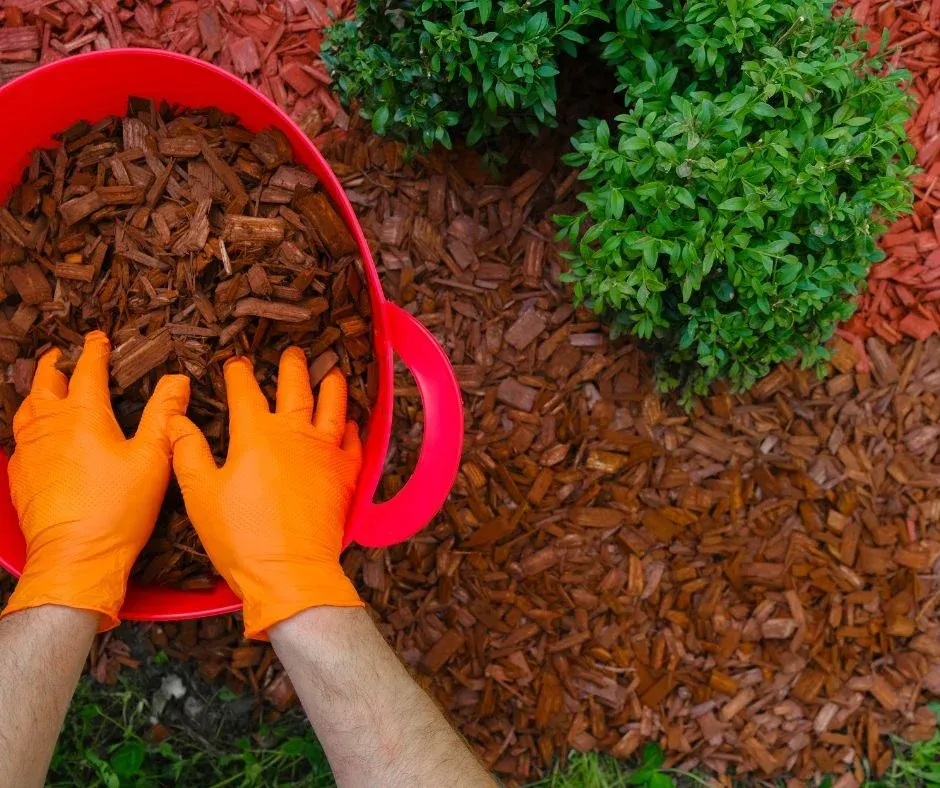
Landscape Bark product is obtained from the barks of softwood trees for example spruce, fir, pine, and redwood. You will find it used in homes as a decorative mulching material. Landscape Bark comes in different sizes and it is processed into granules, chunks, or shredded material. If you prefer using bark, you may want to know that bark chunks last longer compared to granules or shredded products.


Using Hardwood Chips


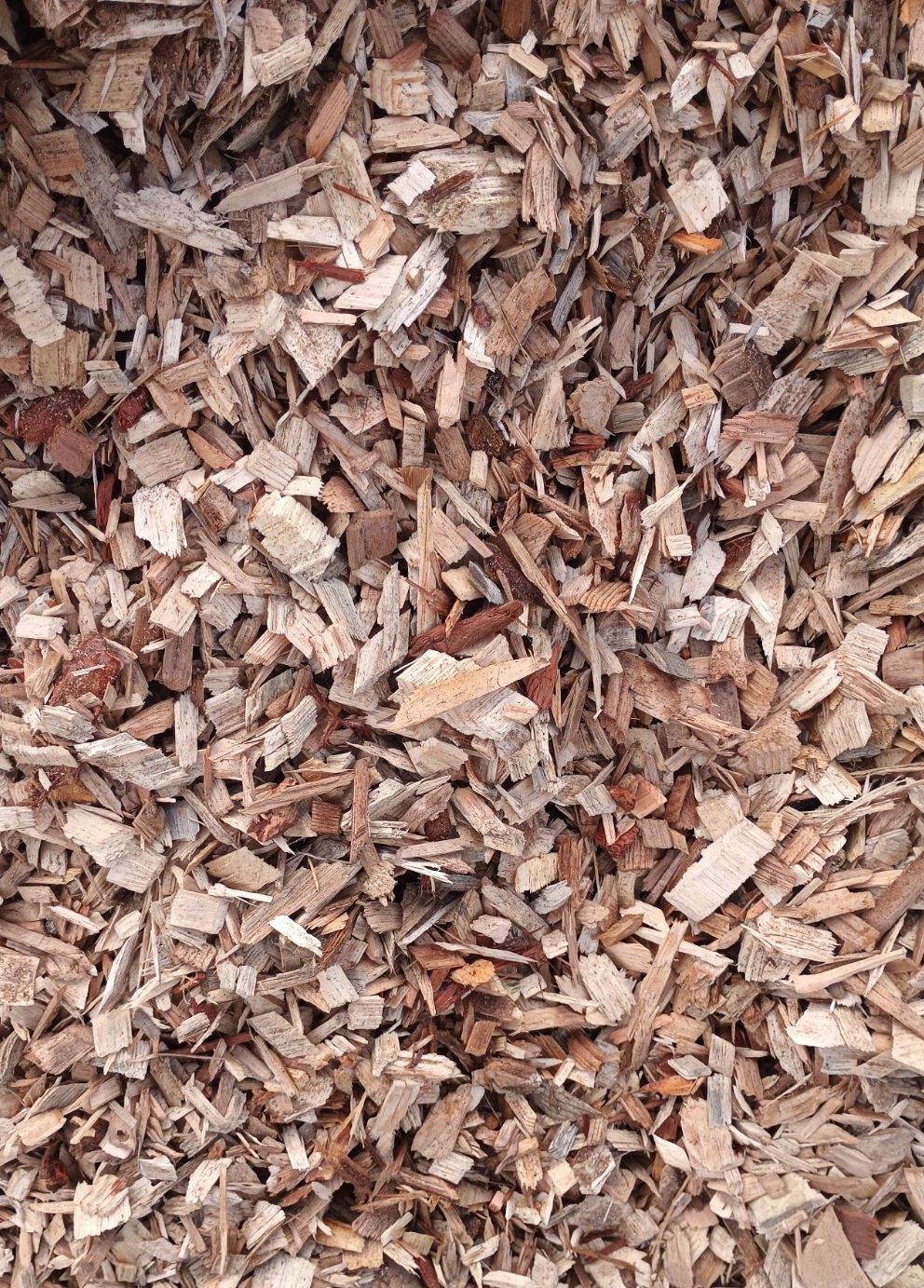
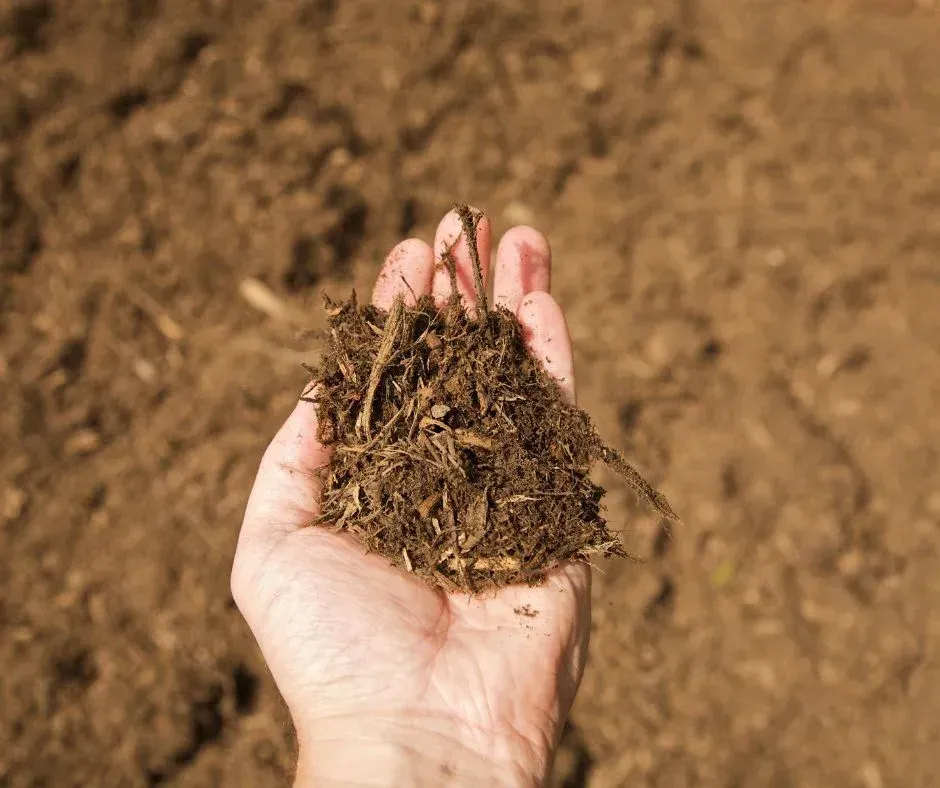
These are made from chipped wood of hardwood species like maple and oak. While hardwood chips are good mulching materials, they may not provide the decorations you want such as the way landscape barks do. Landscape barks can retain their color for many seasons while hardwood chips may fade fast giving a gray, weathered look.


Advantages and Disadvantages


Using bark mulches helps resist compaction because they will not blow away easily and they allow water to penetrate easily into the soil. Since bark mulches are attractive, they will allow you to get the landscape color and texture you want. Wood chips may not compact easily as other materials, so they are recommended for suppressing weeds.


If you are out to seek mulching products, you may want to try out hardwood chips or landscape barks. Make sure you understand the benefits and disadvantages of using one over the other. North County Supply comes in handy if you want to get mulch products for your gardens and landscapes. Get quality landscaping products that you can rely on.
Desert garden with succulents and shrubs beside a sidewalk, with buildings and blue sky in the background
July 26, 2026
Explore water-wise landscape materials — rock, mulch, soils & erosion control — from North County Supply for drought-tolerant SoCal yards.
Close-up of brown wood chips mulch filling the frame
June 28, 2026
Learn how to calculate soil, mulch, gravel, and rock quantities for landscaping projects. Avoid costly ordering mistakes with this practical estimating guide.
Landscape with trimmed trees, white gravel, and circular green shrubs beside a patterned walkway
May 31, 2026
Compare decorative rock and mulch for landscaping. Learn differences in cost, maintenance, appearance, and best uses for Southern California landscapes.
Freshly plowed dark soil in foreground with a line of green trees under a hazy sky
April 23, 2026
Get your landscape ready for spring with sustainable soil and mulch practices. Learn composting, soil testing, organic amendments, and water-saving tips.
Gravel surface with various sized gray, beige, and brown rocks.
February 13, 2026
Discover landscape design ideas using aggregate and crushed rock for pathways, borders, and dry creek beds that offer durability and low maintenance.
Playground with a slide, climbing structure, and swing set, surrounded by grass and trees.
January 20, 2026
Learn what certified playground chips are, how ASTM safety standards protect against injuries, and why schools and parks rely on them for safe play areas.
Handful of wood mulch, held up against a brown background, showing its texture.
December 23, 2025
Prepare your landscape for winter with bark, aggregates, and accessories that protect plants, improve drainage, and maintain healthy soil all season long.
Person wearing orange gloves, spreading brown mulch around green plants from a red bucket.
October 28, 2025
Learn how different types of mulch — organic, colored, shredded, and playground chips — help control weeds, retain moisture, and improve your landscape’s health.
A small plant with green leaves in dark brown soil.
September 25, 2025
Choose the right soil for San Diego landscapes with North County Supply. Clean, custom blends and expert advice for gardens, turf, and large-scale projects.
June 9, 2025
Crushed rock is a durable, low-maintenance material widely used in San Diego landscapes for pathways, garden beds, driveways, and decorative features. While it requires less upkeep than many other materials, regular maintenance ensures that it stays clean, functional, and visually appealing. In this blog post, we’ll share practical tips for maintaining your crushed rock landscape and how to prevent or fix common issues like weed growth and erosion. Why Crushed Rock Needs Maintenance Although crushed rock does not decompose or require watering, it is still exposed to the elements. Over time, weeds can creep in, debris can accumulate, and loose rock can shift or settle. Routine care helps protect your investment and keeps your landscape looking polished. Tips for Keeping Crushed Rock Areas Clean and Attractive 1. Rake Regularly Use a hard-toothed rake to smooth out uneven areas, redistribute rock that may have shifted, and remove surface debris. Raking once every few weeks helps maintain a clean, even appearance. 2. Remove Debris and Organic Material Leaves, twigs, and other debris can build up and create a breeding ground for weeds. Explicit organic material regularly, especially during the fall or after storms, to keep the area tidy and reduce soil buildup. 3. Top Off Low Spots Over time, some rock may migrate or settle. Periodically inspect the area and add fresh crushed rock to maintain consistent depth and appearance. This also helps with drainage and weed suppression. 4. Power Wash or Hose Down When Needed For decorative rock used in high-visibility areas, hosing off dust and dirt can restore the color and freshness of the stone. Use a garden hose with a spray nozzle or a light-pressure power washer. Preventing and Managing Weed Growth Weeds are the most common issue in crushed rock landscapes. They can spoil the clean look of your yard and compete with nearby plants for nutrients and water. 1. Install a Weed Barrier Fabric When laying crushed rock, always start with a high-quality landscape fabric underneath. This creates a physical barrier that blocks weed roots from penetrating while still allowing water to drain through. 2. Apply a Pre-Emergent Herbicide Use a pre-emergent weed control product in early spring to prevent weed seeds from germinating. Be sure to choose a product appropriate for use around ornamental plants if your rock is near garden beds. 3. Spot-Treat or Pull Weeds Promptly Occasional weeds may still appear, especially around the edges or in disturbed areas. Pull them by hand or treat with a targeted herbicide before they spread. Removing them early prevents seed dispersal and saves time later. 4. Maintain Proper Rock Depth A layer of crushed rock that is at least 2 to 3 inches deep provides better weed suppression. If the layer is too thin, light can reach the soil, encouraging weed growth. Preventing and Addressing Erosion Crushed rock can shift or wash away in areas with heavy rainfall or on sloped surfaces. Taking preventive measures will preserve the integrity of your design. 1. Edge the Area with Borders Use edging materials such as metal, wood, concrete, or stone to contain the rock and prevent it from spreading into unwanted areas. Edging also gives pathways and beds a finished, professional look. 2. Compact and Level the Base Before installing crushed rock, ensure the base soil is compacted and level. For driveways or sloped pathways, consider using a mix of crushed rock and fines to create a more stable surface. 3. Add Retaining Features for Slopes In sloped areas, install low retaining walls or terracing to hold rock in place and reduce downhill movement. You can also use jute netting or grid mats beneath the rock for extra stability. 4. Improve Drainage Where Needed If water frequently washes away rock, install drainage channels or dry creek beds to redirect the flow. Proper drainage keeps the rock in place and protects against pooling or flooding. Conclusion Maintaining a crushed rock landscape is relatively simple, but consistent attention is essential to ensure your outdoor space remains clean, attractive, and functional. With a few proactive steps, you can prevent weed growth, minimize erosion, and keep your landscape looking great year-round. At North County Supply, we offer high-quality crushed rock, weed barriers, and expert advice to help you build and maintain your ideal landscape. Stop by or contact us today to learn more about materials and maintenance tips for your next project.