10 Reasons Why Soil Is The Most Important Natural Resource


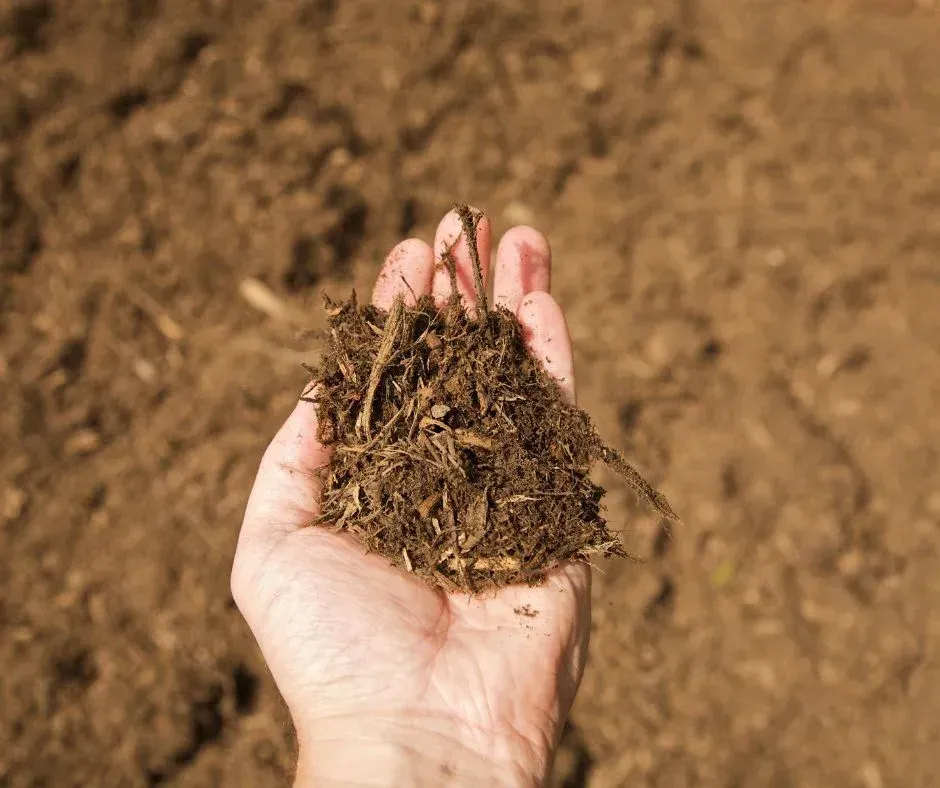
Soil is often referred to as the “skin of the earth”. It is the thin layer of organic and inorganic matter that covers the earth’s surface. Soil is formed by the decomposition of rocks and organic matter. It is a vital natural resource that supports plant growth and is home to a large number of microorganisms.


Soil provides many ecosystem services, such as filtering and storing water, cycling nutrients, and stabilizing the environment. It also helps to regulate the climate and is a major source of food and other agricultural products. Despite its importance, the soil is often taken for granted and is not given the attention it deserves.


The following are 9 reasons why soil is the most important natural resource.

Soil is essential for food production


Food production is heavily dependent on the soil as it provides many essential components for plant growth. Soil contains a variety of essential and beneficial elements and minerals, including nitrogen, phosphorus, potassium, and calcium. These nutrients aressential for proper nutrient cycling and for plants to grow properly.


Soil also has microbes that are beneficial for food production. These microbes help break down organic matter and help to improve the soil structure, increasing its fertility. This helps plants to uptake more nutrients, resulting in higher yields.


Soil also helps to determine the water retention capacity of the soil. Moisture is essential for plant growth and soil with higher moisture content is less likely to suffer from drought, allowing crops to be grown with more consistency.


Soil provides a medium for the rooting of plants, which helps them to access water and minerals more effectively. Soil also provides physical support to the crops and helps to prevent soil erosion which causes soil degradation.


Finally, healthy soil helps to promote better pollination, and the presence of the right beneficial microbes in the soil can play an important role in suppressing diseases and pests, reducing the need for chemical fertilizers and pesticides.


Soil helps filter our water


Soil plays an essential role in filtering and purifying our water resources. Soil traps pollutants that would otherwise be washed out by the rain and runoff into our water bodies. The soil acts as a natural filtration system, filtering out pollutants like heavy metals and pesticides.


Soil is also able to capture and retain nitrogen and phosphorus, two main contributors to water contamination. These nutrients enter the environment naturally but can be harmful if they enter water bodies in excess. Through soil’s ability to capture and retain these nutrients, it helps to keep our water clean.


The type of soil also plays a major role in water filtration. Sandy soils tend to have a quicker filtration rate, whereas clay soils tend to allow for a longer period of filtration. This longer period can help to filter out more pollutants, making our water cleaner and safer for consumption.


Soil is an important natural resource that plays an essential role in filtering and purifying our water resources. By knowing how it works and properly managing it, we can sustain our clean water resources for many more years.


Soil provides a home for many organisms


Soil is an incredibly diverse ecosystem and provides a home to millions of organisms. These organisms are essential to life on earth, breaking down organic matter and providing nutrients to living plants and animals.


Bacteria, fungi, and protozoa, as well as arthropods like earthworms, act as decomposers in the soil. They break down organic matter and waste left behind by living organisms, and help keep the soil healthy and fertile.


Biopores created by the actions of earthworms, moles, and other burrowing animals act as tiny pipes that help circulate air and water across the soil. This helps to keep the soil moist, aerated, and nutrient-rich.


Soil organisms are also important for plant growth and health. Bacteria can help to make nutrients in the soil available for plants to use, a process called nitrogen fixation. Fungi can also help provide nutrients to the roots of plants. These are just a few of the essential roles soil organisms play in maintaining a healthy environment.


Soil provides a home to many organisms that are essential to life on Earth. Their actions and presence help to sustain the cycle of life, providing us with nutrients and clean water. As such, it is important to take good care of our soil and preserve its biodiversity.


Soil is a natural reservoir of nutrients


Soil acts as a natural reservoir for important nutrients such as nitrogen, phosphorus, and potassium. These essential compounds are used by plants for healthy growth and reproduction. The availability of these nutrients in the soil varies, depending on factors such as the amount of organic matter and the amount of air and water in the soil.


Organic matter is a major source of these essential elements. The carbon, oxygen, and nitrogen in organic matter are essential for supporting life in the soil. As these organic molecules decompose, the essential mineral elements they contain become available to the plants.


Soil also acts as a natural filter, trapping nutrients in the form of organic matter or adsorbed forms to the soil particles. This helps to prevent nutrient loss by preventing the leaching of nutrients. Healthy soil also helps to reduce the effect of runoff, allowing for nutrient retention in the environment.


Soil is one of the most important natural resources, acting as a natural reservoir for essential nutrients for plant growth and also helping to reduce the environmental damage caused by nutrient leaching and runoff.


Soil helps control temperature and humidity


Soil plays an important role in regulating and maintaining temperature and humidity/ moisture levels in our environment. The air temperature around a soil surface is usually lower than the air temperature above it. This is because soil can absorb and store solar radiation, which helps to reduce air temperature. Additionally, the soil can absorb and store evaporation from the surface of plants, reducing humidity in the air.


These phenomena help to reduce the rate of global warming, which is one of the most important and pressing environmental issues facing us today. In some areas, soil can also help to reduce wind speed, which helps in reducing the rate of soil erosion. All of these factors help us to maintain a stable environment, necessitating the importance of soil in our lives.


Soil can absorb and store large amounts of water


Soil is capable of absorbing and storing large amounts of water. This water is then available for plant growth, allowing plants to access a steady source of water. Through this process, soil also helps to maintain the water cycle and avoid floods during periods of heavy rainfall.


In addition to that, soil also helps to prevent water pollution. The soil acts like a natural filter, trapping pollutants found in water molecules. Without this filtration process, we would have significantly more water pollution in our environment. Lastly, the ability of soil to store large amounts of water also reduces the risk of drought during long dry spells.


Soil can help clean up pollution


Pollution is a serious issue, but soil can help to clean up some pollutants. According to The Sustainable Soils Alliance, soil can absorb, contain, and break down many pollutants, such as heavy metals, as long as the concentration is low and the chemical activities are appropriate.


The chemical reaction within the soil can help to reduce the toxicity of some chemicals. Furthermore, soil’s ability to absorb excess moisture can also help to limit the spread of some pollutants.


Soil can also help to clean up oil spills. In this case, scientists have found that adding certain chemical compounds to the soil helps to significantly reduce the amount of oil that reaches the surface. This is because the chemical compounds act like a sponge, soaking up the oil molecules.


These are just a few examples of how soil can help to clean up some types of pollution. It is an important part of the process of restoring our environment to its original state.


Soil can be used to generate energy


Soil can be used to generate energy. There are two different ways in which soil can do this: through the production of biogas and the use of geothermal energy.


Biogas is a type of combustible gas that is produced through the decay of organic material in the soil, such as cow manure. This gas can then be used as an energy source.


Geothermal energy is a form of energy generated through heat trapped in the soil. This heat can be used to generate electricity or to provide hot water and heating to buildings, as well as to heat greenhouses and swimming pools. This energy source can help reduce our overall reliance on non-renewable energy sources.


Soil can help us generate energy in both a renewable and eco-friendly way. This helps to reduce our reliance on traditional energy sources and is beneficial for both people and the environment.


Soil is essential for our survival


Soil is essential for our survival. Our food, oxygen, and water come from the soil and without it, we would be unable to survive. In the past, human societies collapsed due to soil degradation and desertification. So, without healthy soil, we would not be able to produce the food we need to survive.


Soil is also essential for the storage and filtration of water. In many parts of the world, the soil is used as a natural filter to purify the water that is used for drinking and cooking purposes. Additionally, the soil can absorb the excess water during times of heavy rain, and will slowly release this water when needed.


Additionally, the soil is essential for filtering the air we breathe. Soil microbes can break down pollutants in the environment and therefore help purify our air. Healthy soils also act as a buffer, helping to reduce the amount of carbon dioxide gas that is released into the atmosphere.


Soil is central to our survival and without it, human life would not be possible. It is our job to ensure that we protect this vital resource and that we don’t contribute to its destruction.

North County Supply is the only shop you'll need for all of your landscape material needs!


We carry a wide variety of materials including mulch, playground chips, soil, and more!


Our knowledgeable staff is always happy to help you find what you need and answer any questions you may have.


Call us at 760-744-3444


North County Supply's Service Locations: San Diego, Escondido, San Marcos, Vista, Oceanside, Carlsbad, Chula Vista, El Cajon, Poway, Santee, Encinitas, Valley Center, La Mesa, Temecula, Murrieta, Coronado, Del Mar, Alpine, Lakeside, Fallbrook, Daley Ranch, Hidden Meadows, Menifee, Solana Beach, Carmel Valley, Ramona, Torrey Pines, Rancho Penasquitos.
Gravel surface with various sized gray, beige, and brown rocks.
February 13, 2026
Discover landscape design ideas using aggregate and crushed rock for pathways, borders, and dry creek beds that offer durability and low maintenance.
Playground with a slide, climbing structure, and swing set, surrounded by grass and trees.
January 20, 2026
Learn what certified playground chips are, how ASTM safety standards protect against injuries, and why schools and parks rely on them for safe play areas.
Handful of wood mulch, held up against a brown background, showing its texture.
December 23, 2025
Prepare your landscape for winter with bark, aggregates, and accessories that protect plants, improve drainage, and maintain healthy soil all season long.
White pickup truck towing a dump trailer on dirt road, mountains in the background, sunny day.
November 21, 2025
Learn how to keep your San Diego construction site clean and compliant with the right dumpster and roll-off services for safe, efficient project management.
Person wearing orange gloves, spreading brown mulch around green plants from a red bucket.
October 28, 2025
Learn how different types of mulch — organic, colored, shredded, and playground chips — help control weeds, retain moisture, and improve your landscape’s health.
A small plant with green leaves in dark brown soil.
September 25, 2025
Choose the right soil for San Diego landscapes with North County Supply. Clean, custom blends and expert advice for gardens, turf, and large-scale projects.
June 9, 2025
Crushed rock is a durable, low-maintenance material widely used in San Diego landscapes for pathways, garden beds, driveways, and decorative features. While it requires less upkeep than many other materials, regular maintenance ensures that it stays clean, functional, and visually appealing. In this blog post, we’ll share practical tips for maintaining your crushed rock landscape and how to prevent or fix common issues like weed growth and erosion. Why Crushed Rock Needs Maintenance Although crushed rock does not decompose or require watering, it is still exposed to the elements. Over time, weeds can creep in, debris can accumulate, and loose rock can shift or settle. Routine care helps protect your investment and keeps your landscape looking polished. Tips for Keeping Crushed Rock Areas Clean and Attractive 1. Rake Regularly Use a hard-toothed rake to smooth out uneven areas, redistribute rock that may have shifted, and remove surface debris. Raking once every few weeks helps maintain a clean, even appearance. 2. Remove Debris and Organic Material Leaves, twigs, and other debris can build up and create a breeding ground for weeds. Explicit organic material regularly, especially during the fall or after storms, to keep the area tidy and reduce soil buildup. 3. Top Off Low Spots Over time, some rock may migrate or settle. Periodically inspect the area and add fresh crushed rock to maintain consistent depth and appearance. This also helps with drainage and weed suppression. 4. Power Wash or Hose Down When Needed For decorative rock used in high-visibility areas, hosing off dust and dirt can restore the color and freshness of the stone. Use a garden hose with a spray nozzle or a light-pressure power washer. Preventing and Managing Weed Growth Weeds are the most common issue in crushed rock landscapes. They can spoil the clean look of your yard and compete with nearby plants for nutrients and water. 1. Install a Weed Barrier Fabric When laying crushed rock, always start with a high-quality landscape fabric underneath. This creates a physical barrier that blocks weed roots from penetrating while still allowing water to drain through. 2. Apply a Pre-Emergent Herbicide Use a pre-emergent weed control product in early spring to prevent weed seeds from germinating. Be sure to choose a product appropriate for use around ornamental plants if your rock is near garden beds. 3. Spot-Treat or Pull Weeds Promptly Occasional weeds may still appear, especially around the edges or in disturbed areas. Pull them by hand or treat with a targeted herbicide before they spread. Removing them early prevents seed dispersal and saves time later. 4. Maintain Proper Rock Depth A layer of crushed rock that is at least 2 to 3 inches deep provides better weed suppression. If the layer is too thin, light can reach the soil, encouraging weed growth. Preventing and Addressing Erosion Crushed rock can shift or wash away in areas with heavy rainfall or on sloped surfaces. Taking preventive measures will preserve the integrity of your design. 1. Edge the Area with Borders Use edging materials such as metal, wood, concrete, or stone to contain the rock and prevent it from spreading into unwanted areas. Edging also gives pathways and beds a finished, professional look. 2. Compact and Level the Base Before installing crushed rock, ensure the base soil is compacted and level. For driveways or sloped pathways, consider using a mix of crushed rock and fines to create a more stable surface. 3. Add Retaining Features for Slopes In sloped areas, install low retaining walls or terracing to hold rock in place and reduce downhill movement. You can also use jute netting or grid mats beneath the rock for extra stability. 4. Improve Drainage Where Needed If water frequently washes away rock, install drainage channels or dry creek beds to redirect the flow. Proper drainage keeps the rock in place and protects against pooling or flooding. Conclusion Maintaining a crushed rock landscape is relatively simple, but consistent attention is essential to ensure your outdoor space remains clean, attractive, and functional. With a few proactive steps, you can prevent weed growth, minimize erosion, and keep your landscape looking great year-round. At North County Supply, we offer high-quality crushed rock, weed barriers, and expert advice to help you build and maintain your ideal landscape. Stop by or contact us today to learn more about materials and maintenance tips for your next project.
May 12, 2025
Healthy soil is the foundation of a successful garden. Yet many gardeners skip one of the most essential steps before planting: testing their soil. Soil testing gives you critical information about nutrient levels, pH balance, and overall soil health, helping you make informed decisions that lead to more vigorous plants and better yields. In this blog post, we’ll explain why soil testing is important, how to test your soil at home or professionally, and how to interpret your soil test results. Why Soil Testing Matters Whether you're planting vegetables, flowers, or native landscaping, your soil's composition directly affects plant health. A soil test helps answer essential questions: Does your soil have enough nutrients to support healthy growth? Is the pH level appropriate for the plants you want to grow? Are there any nutrient excesses that could be harmful? Without testing, you're left guessing. You might over-fertilize, underfeed, or plant in unsuitable conditions without even realizing it. Soil testing helps you avoid these common mistakes, saves money on unnecessary products, and promotes environmentally responsible gardening. How to Test Soil at Home or Professionally At-Home Soil Testing Kits DIY soil testing kits are available at garden centers and hardware stores. They provide basic information about pH and nutrient levels like nitrogen, phosphorus, and potassium. Steps to use a home soil test kit: Collect soil samples from several spots in your garden, digging 4 to 6 inches deep. Mix the samples together in a clean container to get an average representation of your garden soil. Follow the test kit instructions , typically involving mixing soil with a solution and comparing the color to a chart. Record your results and compare them with your plant’s nutrient and pH requirements. These tests are affordable and provide quick insights, but they may lack the accuracy and depth of professional testing. Professional Soil Testing For more comprehensive results, consider sending your soil to a professional lab. This is especially helpful if you're establishing a new garden, planting specialty crops, or troubleshooting poor plant performance. How to get your soil professionally tested: Contact a local cooperative extension, university lab, or private soil lab. Use a clean tool to collect multiple samples from your garden. Let the soil air dry and send the sample according to the lab's instructions. Most labs provide a detailed report within one to two weeks, often with recommendations based on your intended plant types. Professional testing evaluates additional elements, such as calcium, magnesium, sulfur, and micronutrients, providing a more comprehensive picture of your soil's health. Interpreting Soil Test Results Once you receive your soil test results, it’s time to put them to use. Most test reports include the following: pH Level The pH scale runs from 0 to 14. Most garden plants prefer a slightly acidic to neutral range (6.0 to 7.0). If the pH is too high (alkaline) or too low (acidic), plants may not absorb nutrients efficiently. Low pH (acidic): Add lime to raise pH. High pH (alkaline): Add sulfur or organic matter to lower pH. Macronutrients Nitrogen (N): Essential for leafy growth. Deficiencies lead to yellowing leaves and stunted growth. Phosphorus (P): Supports root development and flowering. Low levels reduce bloom production. Potassium (K): Aids in overall plant health, drought resistance, and disease prevention.  A soil test will indicate whether these are low, adequate, or excessive. Based on the results, you can choose the right type and amount of fertilizer or soil amendment. Micronutrients Professional tests may include levels of iron, manganese, zinc, copper, and boron. While needed in smaller quantities, these elements are still essential for plant health. Organic Matter and Texture Some tests will also assess the percentage of organic matter and soil texture (comprising sand, silt, and clay). This helps determine how well your soil holds moisture and nutrients. Final Thoughts Soil testing is a simple yet powerful step in building a healthy, productive garden. Whether you're growing vegetables, ornamentals, or drought-tolerant landscapes in San Diego, understanding your soil's condition will guide you toward better choices and better results. At North County Supply , we offer quality soil amendments, compost, and mulch to help you act on your test results and build better soil. Need help interpreting your soil report? Our team is happy to point you in the right direction. Contact us or stop by today to learn more.
April 9, 2025
Healthy soil is the foundation of a vibrant and productive garden. Whether you're growing vegetables, flowers, or drought-tolerant plants, improving your soil quality can make all the difference in plant health, resilience, and overall garden success. In this blog post, we’ll explore proven methods to boost soil fertility, the benefits of organic amendments and composting, and tips for maintaining healthy soil structure in your San Diego landscape. Why Soil Quality Matters Soil does more than hold up your plants—it provides them with essential nutrients, water, oxygen, and a thriving ecosystem of beneficial organisms. Poor-quality soil can lead to weak growth, nutrient deficiencies, pest problems, and wasted time and money. But with the right techniques, you can turn tired, compacted, or nutrient-poor soil into a thriving garden bed. 1. Methods to Improve Soil Fertility Improving soil fertility means increasing the nutrient content available to plants and enhancing the soil's ability to hold moisture and support microbial life. Here are some effective ways to do just that: Add Organic Matter Incorporating organic matter is one of the best ways to boost soil fertility. Organic materials, such as compost, aged manure, or leaf mold, break down slowly and release nutrients over time. Tip: Mix 2–4 inches of organic matter into the top 6–8 inches of soil before planting. Repeat this process once or twice a year to maintain fertility. Rotate Crops If you grow vegetables or annuals, rotating crops each season can help prevent nutrient depletion and reduce the risk of soil-borne diseases. Example: Avoid planting tomatoes in the same spot each year. Instead, rotate with legumes like beans or peas, which add nitrogen to the soil. Use Cover Crops (Green Manure) Cover crops like clover, vetch, or rye are grown specifically to improve soil health. They help fix nitrogen, prevent erosion, and add organic material when tilled back into the soil. Best Time: Plant cover crops during the off-season (fall or winter in San Diego) and till before spring planting. 2. Benefits of Organic Amendments and Composting Organic amendments and compost provide a slow, steady release of nutrients, improve soil structure, and promote a healthy soil ecosystem. Here’s why they’re so valuable: Compost Compost is decomposed organic matter that enriches soil with essential nutrients and beneficial microbes. It improves the texture of both clay and sandy soils, making it easier for plant roots to grow. Benefits: Adds nutrients like nitrogen, phosphorus, and potassium. Improves soil aeration and water retention. Encourages earthworm activity and beneficial microbes. Aged Manure Properly aged (or composted) animal manure is a powerful soil amendment that is rich in nutrients and organic material. Caution: Always use well-aged manure to avoid burning plants and introducing pathogens. Avoid using pet waste or fresh manure. Mulch as an Amendment Organic mulches like wood chips and straw slowly break down and contribute to soil health. Over time, they act as a natural compost layer while controlling weeds and conserving moisture. Tip: Top-dress beds with 2–3 inches of mulch and allow it to naturally integrate into the soil. 3. Tips for Maintaining Healthy Soil Structure Good soil structure allows air and water to flow freely while supporting root development. Poor structure—often caused by compaction or overworking the soil—can lead to drainage problems and root stress. Avoid Over-Tilling Excessive tilling breaks up soil aggregates and harms beneficial organisms. Use tilling sparingly and only when necessary. Alternative: Consider no-till or low-till gardening methods that maintain soil structure and reduce disturbance. Prevent Soil Compaction Walking on garden beds can compress the soil, limiting root growth and water absorption. Solution: Create designated pathways and use stepping stones to avoid walking directly in growing areas. Keep Soil Covered Bare soil is vulnerable to erosion, drying out, and weed invasion. Cover it with mulch, plants, or a living ground cover to protect and nourish the soil. Tip: In between planting seasons, use a layer of mulch or a cover crop to protect soil health. Conclusion Healthy soil is the key to a thriving, low-maintenance garden. By incorporating organic matter, rotating crops, and using compost and mulch, you’ll improve soil fertility and structure naturally. Whether you’re starting a new garden or revitalizing an existing one, these soil-improving techniques will create a strong foundation for years of beautiful growth.  At North County Supply , we offer high-quality soil amendments, compost, and mulch to help San Diego gardeners build and maintain healthy soil. Stop by or give us a call to learn more about the best products for your garden!
February 17, 2025
When it comes to landscaping, choosing the right materials is essential for both aesthetic appeal and cost-effectiveness. While options like wood mulch, pavers, and sod can create beautiful outdoor spaces, aggregate—such as crushed rock, gravel, and decomposed granite—offers a budget-friendly and long-lasting alternative. In this blog, we’ll compare the cost of aggregate to other landscaping materials and explore its long-term savings and benefits, making it a smart investment for homeowners and businesses alike.